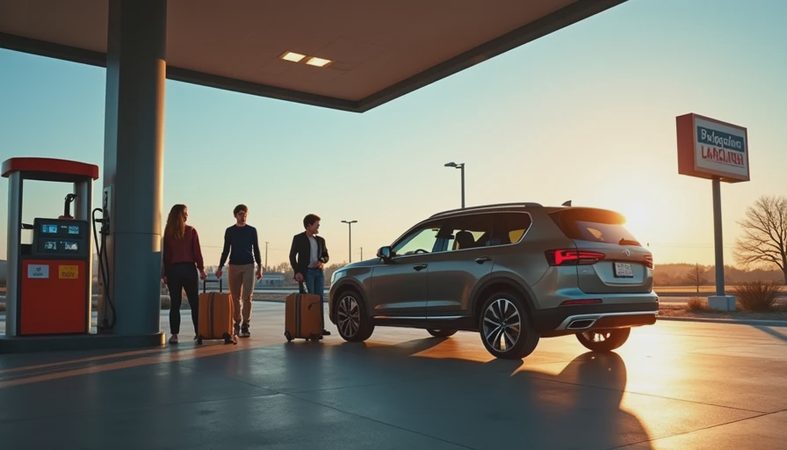
Shopping for the best fuel efficient 7 passenger SUV sounds simple until you discover that “seven seats” can mean seven adults in one brochure and four adults plus three backpacks in real life. I have crawled through enough used SUVs to know the trick: buy the car, not the story. Fuel economy matters, but so do usable third-row space, maintenance history, tire cost, and whether the previous owner treated the transmission like a rental-car problem.
For most families, the sweet spot is a used three-row crossover with a four-cylinder hybrid or a modest V6, not a giant truck-based SUV. A realistic target is roughly 25 to 37 mpg combined, depending on the model, drivetrain, model year, and how much city driving you do. EPA estimates are useful for comparing vehicles, but your commute, climate control, passengers, and roof box will decide what appears on the dashboard.
The strongest used candidates
The Toyota Highlander Hybrid is usually my first look when someone asks for the best fuel efficient 7 passenger SUV. Older examples can deliver impressive fuel economy for a three-row vehicle, and the hybrid system has a long history. The catch is price. A clean 2017 to 2019 Highlander Hybrid can still cost around $25,000 to $32,000 depending on mileage and location. Have a shop inspect the hybrid battery system and confirm recall work before making an offer.
The Kia Sorento Hybrid offers strong efficiency and a more affordable used-market entry point. Its third row is compact, but it works for children and occasional adult use. Look closely at service records, software updates, warranty eligibility, and any signs of rushed maintenance. A 2021 or newer example can be appealing around the mid-$20,000 range, though pricing varies sharply by mileage.
The Toyota Sienna Hybrid is technically a minivan, but I would not dismiss it if passenger room and fuel cost are the priorities. It seats seven or eight, has excellent cargo flexibility, and commonly returns better fuel economy than a comparable gas SUV. The sliding doors alone can save your knees in a crowded school parking lot. It usually costs more than a similarly aged SUV, but the practicality is difficult to beat.
The Ford Explorer Hybrid is another option, especially for buyers who want a conventional SUV shape and a comfortable highway ride. It is not as efficient as the best Highlander or Sienna, and repair complexity deserves attention. Buy only after checking maintenance documentation and paying for an independent inspection.
What fuel economy really costs you
Suppose you drive 15,000 miles each year and gas costs $3.75 per gallon. A vehicle averaging 22 mpg uses about 682 gallons, or roughly $2,558 in fuel. At 30 mpg, it uses 500 gallons, or $1,875. That is a difference of about $683 per year, before changes in gas prices.
Those savings can disappear if you overpay by $5,000 for a hybrid with a questionable history. They can also disappear through expensive tires, neglected coolant service, or a failing all-wheel-drive system. That is why the best fuel efficient 7 passenger SUV is not automatically the one with the highest EPA number. It is the one that delivers reasonable fuel costs without turning routine ownership into a monthly surprise.
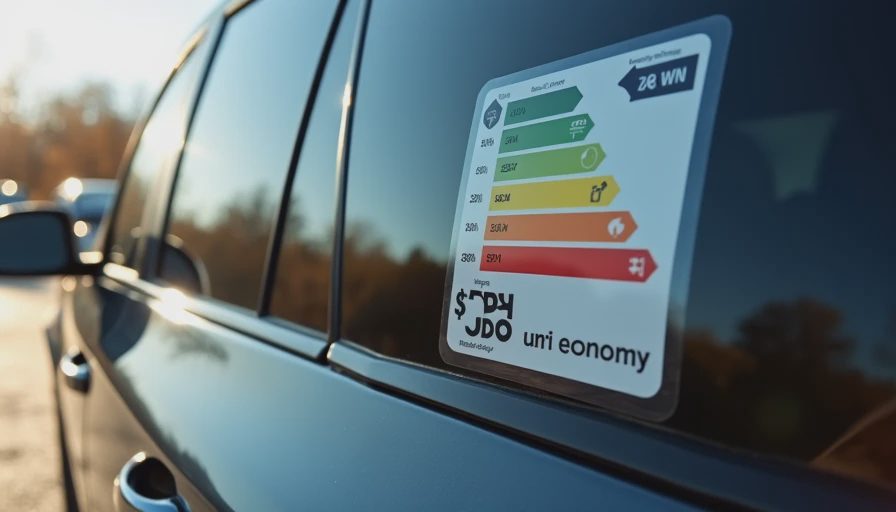
Ask for the original window sticker or verify the exact trim and drivetrain. A front-wheel-drive model often uses less fuel than an all-wheel-drive version. Larger wheels can reduce efficiency and cost more when replacement tires run $180 to $300 each. A roof rack, winter tires, and constant short trips will lower real-world mileage too.
Third-row space: the measurement most buyers skip
Bring your family to the test drive. Do not merely sit in the front seat and admire the touchscreen. Put a teenager in the third row, install a booster seat in the second row, and place a folded stroller behind the last seats. If the third row requires acrobatics, you will stop using it within a month.
Measure the cargo area behind the third row with the seats upright. Many SUVs leave room for groceries but not a full-size stroller and sports bag. The Sienna is the practical winner here. The Highlander is comfortable in the first two rows, while its third row is better suited to children. The Sorento is similar: useful, but not a substitute for a full-size family hauler.
Check how easily the second-row seats slide or tilt. A child should be able to reach the rear without stepping on the seat cushion. Also inspect cup holders, charging ports, air vents, and seat-belt access. Small annoyances become daily arguments when you drive to school, work, and weekend activities.
Used-car problems hiding behind good mileage
A fuel-efficient SUV can still be a bad purchase. Watch for uneven tire wear, which can point to alignment or suspension trouble. During a cold start, listen for rattles, ticking, or a long crank. Drive uphill with the air conditioning running. The engine should not stumble, the transmission should not slam into gear, and the temperature gauge should remain steady.
Hybrid buyers should ask for a battery health inspection, not just a seller’s statement that everything works. A hybrid battery replacement can run several thousand dollars, depending on the vehicle. That does not make hybrids a bad idea; it means the inspection needs to match the technology.
Run the vehicle identification number through a history report, but do not treat a clean report as proof that the car is clean. My old Dodge Intrepid had a clean history and a disappearing transmission. Take the SUV to an independent mechanic for a pre-purchase inspection. Spending $150 to $250 can expose leaks, worn brakes, accident repairs, or neglected maintenance before you spend $25,000.
How I would narrow the shortlist
Start with seating needs, not brand loyalty. If the third row is used every day, test a Sienna before an SUV. If you need an SUV shape and mostly carry children, compare the Highlander Hybrid and Sorento Hybrid. If towing or long highway trips matter more than maximum mileage, include the Explorer Hybrid but budget for a more involved inspection.
Then set a repair reserve. On a used three-row vehicle, I would keep at least $1,500 available after purchase for tires, fluids, brakes, a battery, or an overdue service. A $22,000 SUV that needs $3,000 immediately is not cheaper than a $24,000 SUV with complete records and fresh tires.
Get insurance quotes before signing. Repair costs, theft patterns, driver history, location, and coverage limits affect the premium. Compare liability limits, collision coverage, comprehensive coverage, and deductibles rather than choosing a policy based only on the lowest monthly number.
A lot-day checklist worth screenshotting
Before you buy the best fuel efficient 7 passenger SUV for your family, confirm the exact year, trim, drivetrain, and seating configuration. Check the title and vehicle history. Match the mileage on the dashboard to service receipts. Start it cold, drive it at city and highway speeds, test every seat belt, and operate every power seat, sliding door, tailgate, window, and climate-control setting.
Look underneath for fresh oil or coolant, then inspect the tires for matching brands and even wear. Ask when the transmission fluid, coolant, spark plugs, and brake fluid were serviced. Pay for an independent inspection before negotiating the final price. If the seller refuses that step, walk away.
My final rule is simple: fuel economy is valuable, but dependable transportation is worth more. Compare the Highlander Hybrid, Sorento Hybrid, Sienna, and Explorer Hybrid honestly, then buy the example with the best records and cleanest inspection. The best fuel efficient 7 passenger SUV is the one that gets your family home without making the garage your second workplace.


