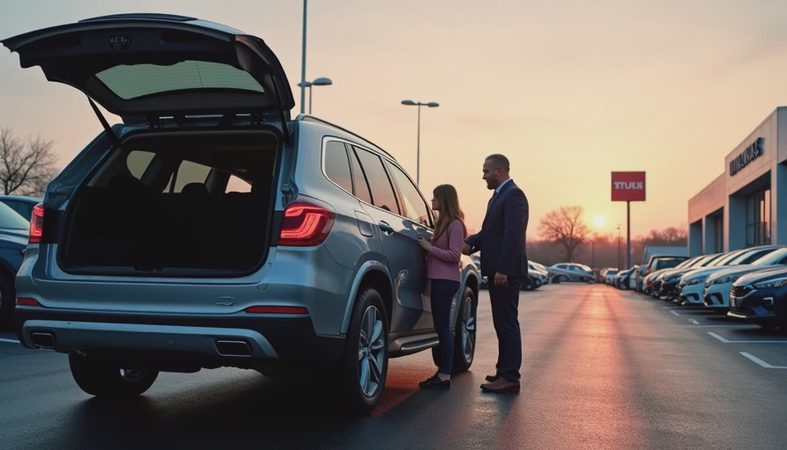
If you are searching for the best used suv with 3rd row, you are probably trying to solve three problems at once: carry people, protect a tight budget, and avoid buying somebody else's mechanical disaster. I have bought 18 used cars over 20 years, including one Dodge Intrepid that taught me never to trust a clean Carfax by itself. A practical third-row SUV can be a great family tool, but only if you shop for condition before badges.
The used three-row SUVs I would start with
My first look would be a 2014–2019 Toyota Highlander, especially a V6 model with clear maintenance records. It is not the roomiest choice in the third row, but the cabin is comfortable, resale value is strong, and the drivetrain has a solid reputation. Expect roughly $17,000 to $26,000 depending on mileage, trim, location, and condition. The biggest mistake is paying a premium for a polished Limited model while ignoring worn suspension parts underneath.
The Honda Pilot is another strong candidate. A 2016–2020 Pilot gives you useful cargo space behind the third row, an adult-friendly second row, and a smoother ride than many truck-based SUVs. Budget approximately $16,000 to $25,000 for a well-kept example. Confirm that transmission service was performed when required and listen for hesitation during low-speed acceleration. A vehicle that shifts harshly during a 20-minute test drive will not improve because the seller says it “just needs to be driven.”
For a lower purchase price, look at the 2015–2020 Ford Explorer. It offers a genuinely usable third row and plenty of inventory, often landing between $12,000 and $22,000. However, condition matters more than the bargain sticker. Check for cooling-system leaks, electronic glitches, worn suspension, and evidence of neglected oil changes. The Explorer can be the best used suv with 3rd row for a buyer who has a repair reserve, but it is not the automatic choice for someone spending every dollar on the purchase.
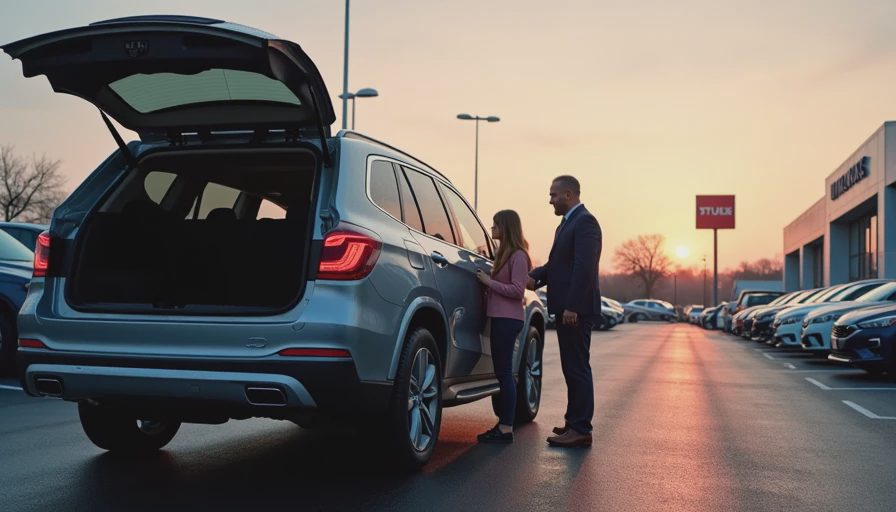
The Mazda CX-9 deserves attention if you want sharper handling and a nicer interior. A 2016–2020 CX-9 can feel more like a well-controlled crossover than a bus, and clean examples often cost about $15,000 to $24,000. The third row is better for children than tall adults, and turbocharged engines require disciplined oil-change history. I would rather buy a higher-mileage CX-9 with receipts than a low-mileage one with vague answers.
How I compare the best used suv with 3rd row candidates
Start with the seats, not the touchscreen. Put a booster seat in the second row, climb into the third row, and check whether there is still room for groceries behind it. In my house, Sofia gets the “can she nap back there?” test, while Diego checks whether the second-row seat can slide without trapping a passenger. A third row that is technically present but miserable to access is not useful on a school-run morning.
Then compare ownership costs. Highlander and Pilot parts are usually easy to source, but routine brakes, tires, batteries, and fluids still add up. A full set of decent tires can cost $700 to $1,100, while brakes on one axle may run $350 to $700 at an independent shop. Turbocharged models such as the CX-9 need especially careful maintenance. Keep at least $1,500 available after purchase for immediate repairs, registration, tires, or a battery.
Fuel economy also changes the math. A V6 three-row SUV may return something in the high teens or low twenties in everyday driving, depending on traffic and configuration. That can mean hundreds of extra dollars each year compared with a smaller two-row crossover. If you only need the third row twice a year, renting a larger vehicle for those trips could be cheaper than feeding a large SUV every week.
The inspection that prevents an expensive mistake
Before discussing price, inspect the SUV cold. Ask the seller not to start it before you arrive. A cold engine reveals hard starting, smoke, loud timing components, and rough idle more honestly than a warmed-up vehicle. Look underneath for fresh oil or coolant, then open the hood and inspect fluid levels. Milky oil, a low coolant reservoir, or strong fuel odor deserves an explanation and possibly a walk-away.
During the drive, use city streets, a freeway, and a parking lot. Test the brakes without panic-stopping, turn tightly at low speed, and listen for clunks over a rough road. Watch the temperature gauge. Test air conditioning in the third row, every power window, the liftgate, backup camera, heated seats, and all seat-folding mechanisms. Repairing a failed power liftgate can cost several hundred dollars; replacing an infotainment screen can cost much more.
Pay for a pre-purchase inspection from an independent mechanic who is not connected to the seller. Spending $150 to $250 can uncover leaks, accident repairs, uneven tire wear, or a failing wheel bearing. This step is central to finding the best used suv with 3rd row because online reviews cannot tell you whether the specific vehicle in front of you was maintained.

The paperwork tells a second story
Run a vehicle history report, but treat it as a lead rather than a guarantee. A clean report does not prove that the vehicle was never damaged, and service records can be missing from centralized databases. Match the VIN on the dashboard, door label, title, and paperwork. Walk away if the seller cannot explain a title brand, mileage discrepancy, or long unexplained ownership gap.
Look for invoices showing oil changes, brake work, coolant service, transmission service, and tire replacement. One owner who saves receipts is usually easier to evaluate than a low-mileage SUV with no documentation. Check whether open recalls remain, but remember that a recall repair is not the same thing as regular maintenance.
If financing, get a bank or credit-union preapproval before visiting the lot. A $19,000 SUV can become a $24,000 obligation after interest, taxes, fees, and optional products. Compare the out-the-door price, not just the monthly payment. Your insurance premium can also differ substantially by model, driver history, location, and coverage choices, so get a quote before signing.
My practical buying checklist
For the best used suv with 3rd row, save this list to your phone:
- Confirm the third row fits your actual passengers and cargo.
- Get the VIN before the appointment and review its history.
- See the vehicle cold, not after the seller warms it up.
- Inspect tires, fluids, leaks, lights, electronics, and seat mechanisms.
- Drive city streets, rough pavement, and the freeway.
- Pay for an independent pre-purchase inspection.
- Compare at least three similar listings before making an offer.
- Keep a repair reserve instead of spending your entire budget.
- Review the out-the-door price and financing terms.
- Leave when the story does not match the evidence.
My short list is the Toyota Highlander for long-term confidence, the Honda Pilot for family practicality, the Ford Explorer for value with careful inspection, and the Mazda CX-9 for a more pleasant drive. The best used suv with 3rd row is not necessarily the newest or cheapest one. It is the cleanest, best-documented example that fits your family and leaves money for ownership. Buy the car, not the story.


