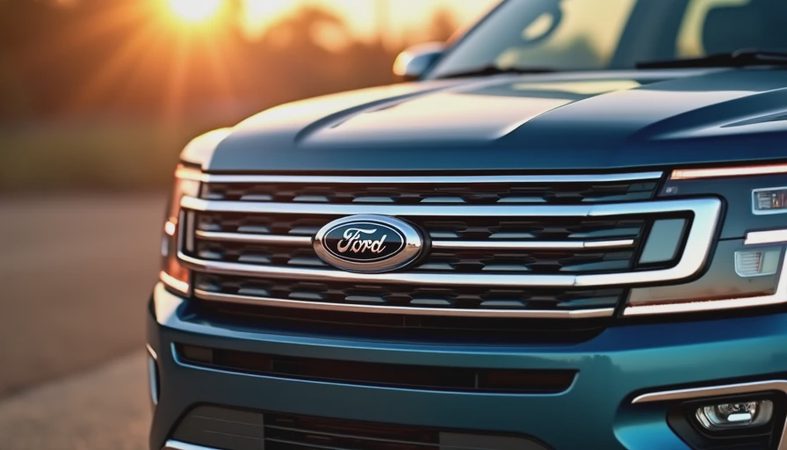
The Ford Expedition 2025 is the kind of SUV that looks perfect from across a dealership lot: huge cabin, serious towing ability, three rows, and enough cargo room for a family camping trip. But a new full-size SUV can cost more than a house down payment, so the smarter question is what you are really buying and what ownership will cost after the excitement wears off. I have bought 18 used cars, and the lesson is simple: buy the car, not the story.
What changed for the 2025 Expedition
The Ford Expedition 2025 received a substantial update rather than a minor grille-and-wheel refresh. Ford reshaped the exterior, revised the dashboard, and added a large center display that gives the cabin a more modern feel. The lineup still centers on a twin-turbocharged 3.5-liter V6, commonly called the EcoBoost. It produces strong power for merging, hauling, and passing, while a 10-speed automatic transmission handles shifting.
That sounds impressive, but technology is not free when it gets old. A turbocharger uses exhaust energy to force more air into the engine. When the system works, you get useful power from a smaller engine. When neglected, repairs can involve expensive turbo plumbing, sensors, cooling components, or oil leaks. A complicated SUV can still be a good purchase, but only if the service records match the price.
Ford offers multiple trim levels, including XLT, Limited, Tremor, King Ranch, and Platinum variants. Equipment changes significantly between them. A lower trim may provide enough space and towing strength without paying for luxury electronics that are costly to replace. A loaded model can feel like a rolling living room, but a replacement screen or advanced driver-assistance sensor is not a $200 junkyard repair.
How much should you budget?
Pricing depends on trim, options, destination charges, taxes, and the local market. A new Ford Expedition 2025 can land well above $60,000 before taxes and dealer add-ons, while highly equipped versions can climb considerably higher. That is why I would not compare only the monthly payment. A dealer can make a $75,000 SUV appear affordable by stretching the loan to 72 or 84 months, but you could still owe more than the vehicle is worth after a year or two.
For a used example, compare the asking price with mileage, accident history, tires, brakes, and remaining warranty coverage. A $52,000 SUV with nearly new tires and documented maintenance may be safer financially than a $48,000 example needing four tires, brakes, and suspension work. Set aside at least $1,500 to $3,000 after purchase for immediate maintenance on a used full-size SUV. That reserve keeps one bad surprise from landing on a credit card.
Get an insurance quote before signing anything. Large SUVs can carry higher premiums because replacement parts, body panels, sensors, and repair labor are expensive. Ask about liability limits, comprehensive coverage, collision coverage, and the deductible. Liability pays for damage or injuries you cause to others. Collision generally covers damage to your vehicle from a crash, while comprehensive typically covers non-crash events such as theft, hail, or falling objects.
The inspection I would perform
Start with a cold engine. Ask the seller not to warm it before you arrive. A cold start can reveal extended cranking, rattling, smoke, or a rough idle that disappears once the engine reaches operating temperature. Look underneath for fresh oil or coolant. Small wet spots deserve an explanation, not a shrug.
During the drive, test the transmission in stop-and-go traffic, on a hill, and during firm acceleration. Shifts should be controlled, not accompanied by a hard bang or a long pause. Try every seat adjustment, window, climate-control setting, camera view, and screen function. Have someone sit in the third row while you check whether the second row still leaves useful legroom.
Drive over a few uneven surfaces with the radio off. Listen for clunks from the suspension and wind noise around the doors. Test the brakes from a safe speed; a steering-wheel shake under braking can point to uneven brake rotors or suspension wear. Then have an independent mechanic scan the vehicle for stored diagnostic codes and inspect it on a lift. A seller who refuses that step has already answered your question.
Family practicality versus expensive extras
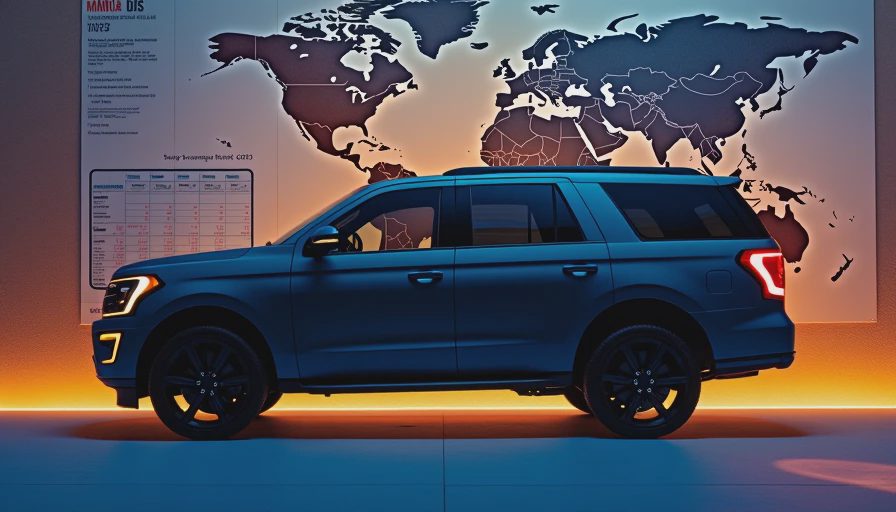
The Ford Expedition 2025 makes sense for families who genuinely need three rows, substantial cargo room, or regular towing. It is less sensible for a driver whose normal routine is commuting alone and carrying groceries. You will pay for the weight every day through fuel, tires, insurance, and maintenance, even when the trailer hitch never gets used.
Measure your garage before buying. I have watched buyers measure the vehicle in a parking lot but forget mirrors, shelving, and the garage-door track. Measure the width with mirrors in the normal position, the height with roof rails included, and the length with enough room to open the liftgate. Bring the child seats too. A brochure cannot tell you whether your actual stroller fits behind the third row.
Trim selection deserves the same discipline. Choose the equipment you will use rather than the badge that looks impressive in an online listing. Heated seats, a tow package, and a useful camera system can be practical. Premium audio and massaging seats are pleasant, but they should not force you into a larger loan or a higher insurance bill.
Common mistakes that cost buyers money
The first mistake is trusting a clean vehicle-history report as proof that a vehicle is perfect. Reports can miss accidents, flood exposure, poor repairs, and maintenance performed without reporting. The second is skipping a pre-purchase inspection because the SUV is still under factory warranty. Warranty coverage does not protect you from worn tires, neglected fluids, damaged wheels, or an overpriced deal.
The third mistake is ignoring the total cost of ownership. Price out a full set of tires, an oil service, brake work, registration, and six months of insurance before buying. A tire replacement can easily cost hundreds of dollars, and premium all-season or all-terrain tires can cost more. Ask for the window sticker and the service history, then compare the original equipment with what is currently installed.
Finally, do not let a salesperson rush the paperwork. Confirm the sale price, financing rate, trade-in value, warranty products, and every fee. Call your insurer with the vehicle identification number before delivery so coverage starts correctly. If the numbers change in the finance office, stop and recalculate instead of accepting the new payment.
My lot-day checklist
Save this list on your phone before inspecting a Ford Expedition 2025:
- Confirm the VIN on the vehicle, title, and paperwork matches.
- Request service records and review oil-change intervals.
- Inspect the body in daylight for mismatched paint and uneven panel gaps.
- Start the engine cold and watch for smoke, warning lights, or rough running.
- Test the transmission, brakes, steering, climate system, cameras, and screens.
- Check tires for even tread and matching sizes.
- Obtain an independent inspection and diagnostic scan.
- Get an insurance quote using the exact VIN.
- Calculate taxes, fees, fuel, repairs, and financing interest.
- Walk away if the seller will not allow reasonable inspection time.
The Ford Expedition 2025 can be a capable family hauler, but capability does not make a bad deal good. Compare the complete cost, inspect the actual vehicle, and leave room in your budget for repairs. The best purchase is not the one with the fanciest trim. It is the one your family can afford after the novelty disappears.


