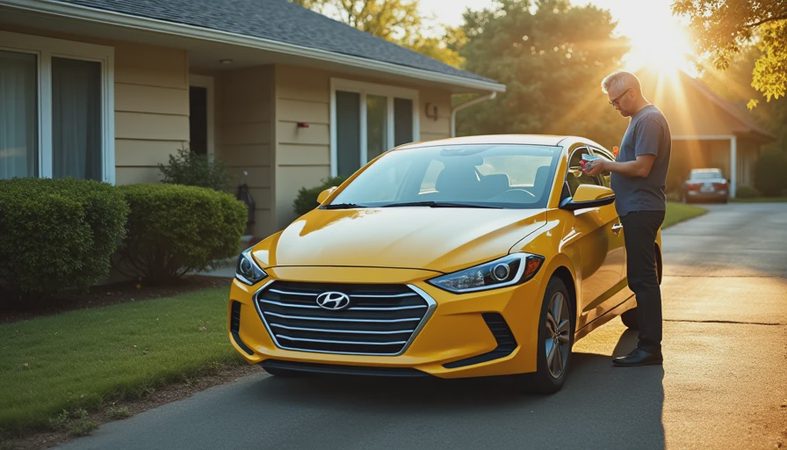
If you’re asking how many miles can a Hyundai Elantra last, you probably found one with a tempting price and a number on the odometer that makes you nervous. I understand. I’ve bought enough used cars to know that a clean interior and a seller saying “runs great” prove almost nothing. A Hyundai Elantra can be a sensible, inexpensive commuter, but its remaining life depends heavily on maintenance, generation, engine, transmission, and how those miles were accumulated.
My practical answer is 150,000 to 200,000 miles for a properly maintained Elantra, with some reaching beyond 200,000. That does not mean every 160,000-mile example is a bargain. A neglected 110,000-mile car can be closer to the end than a carefully serviced 180,000-mile car. Buy the car, not the story.
The realistic mileage range for an Elantra
When people ask how many miles can a Hyundai Elantra last, I separate the answer into three bands. From 100,000 to 150,000 miles, a well-maintained Elantra should still have useful daily-driver life, although suspension parts, air-conditioning components, wheel bearings, and engine accessories can begin needing attention. These repairs are not automatically a reason to walk away, but they belong in your purchase budget.
At 150,000 to 200,000 miles, condition matters more than the badge. You want proof of regular oil changes, sensible driving, and repairs already completed. A car in this range might need $1,000 to $2,500 in work during the first year, especially if it needs tires, brakes, struts, and fluid service together.
Beyond 200,000 miles, an Elantra becomes a particular example rather than a predictable product. It can keep going, but you should expect age-related repairs. A $4,500 Elantra with 210,000 miles is only cheap if you have money set aside for cooling-system leaks, oil consumption, electrical faults, or transmission trouble.
Which years deserve closer inspection?
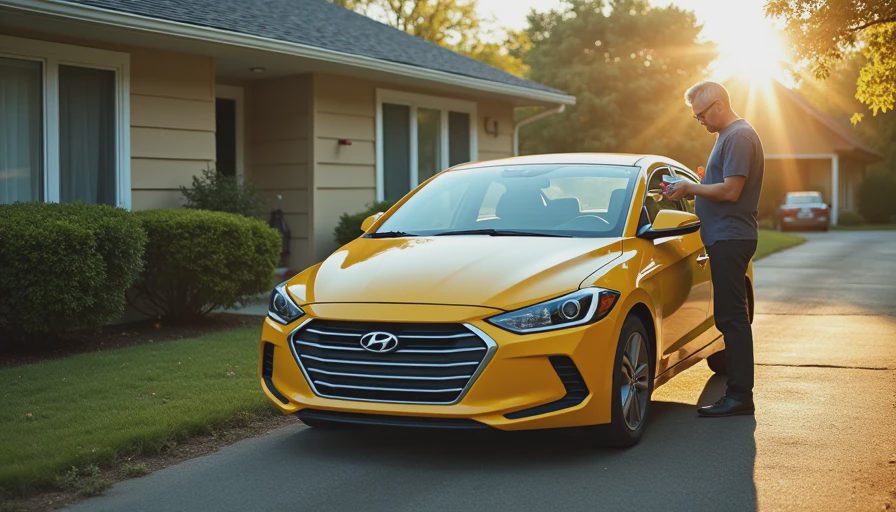
The Elantra has changed considerably over the years, so year matters. Older cars can be inexpensive, but rubber seals, wiring, paint, and interior plastics have had more time to deteriorate. Some fourth- and fifth-generation cars are affordable transportation when maintained, yet a neglected example can turn into a steady stream of small bills.
Later Elantras generally offer better safety equipment, improved cabin design, and more efficient engines. However, newer does not always mean trouble-free. Certain Hyundai and Kia vehicles from particular model years have attracted attention for theft risk, engine concerns, or software and security issues. Before buying, run the vehicle identification number through Hyundai’s official recall and campaign lookup, then ask a Hyundai service department whether any open work remains.
I would rather buy a documented 2014 Elantra with 145,000 highway miles than a vague-history 2018 car with 92,000 miles of short trips and missed oil changes. The odometer is one clue. Maintenance records are the evidence.
Engine, transmission, and maintenance clues
The engine is the expensive center of this decision. Ask for receipts showing oil changes at reasonable intervals, not just a handwritten note that says “serviced.” Look beneath the engine for fresh oil, inspect the oil level and condition, and listen during a cold start. A brief startup rattle is worth investigating, while a deep knock, loud ticking, smoke, or a flashing check-engine light should end the test drive.
Ask whether the Elantra uses oil between changes. Some high-mileage engines consume oil as seals and piston rings wear. Adding a quart occasionally is different from losing a quart every few hundred miles. Excessive consumption can eventually damage catalytic converters or leave the engine low on lubrication.
The automatic transmission should engage Drive and Reverse without a long pause, harsh slam, or flare in engine speed. On the road, shifts should feel controlled. A manual transmission can be cheaper to keep running, but a worn clutch still costs roughly $1,000 to $2,000 at many independent shops. Transmission fluid service is useful when appropriate, but it cannot reverse internal wear.
What repairs should you budget for?
The answer to how many miles can a Hyundai Elantra last becomes more useful when you price the next repairs. Routine brakes might cost about $350 to $800 per axle, depending on parts and labor. A set of four quality tires can run $500 to $900. Battery replacement is usually manageable, while an alternator, starter, or air-conditioning compressor can push a repair into the $600 to $1,500 range.
At higher mileage, struts and control arms affect both comfort and safety. Replacing worn suspension parts may cost $700 to $1,800, but it can transform a loose, noisy Elantra into a much more stable commuter. Cooling-system repairs deserve prompt attention because overheating can turn a modest hose or thermostat problem into major engine damage.
Keep at least $1,500 available after purchase for an average used Elantra. For one above 150,000 miles, I would prefer a $2,500 reserve. That money is not wasted if the car behaves; it simply keeps one surprise repair from wrecking your household budget.
How to inspect a high-mileage Elantra
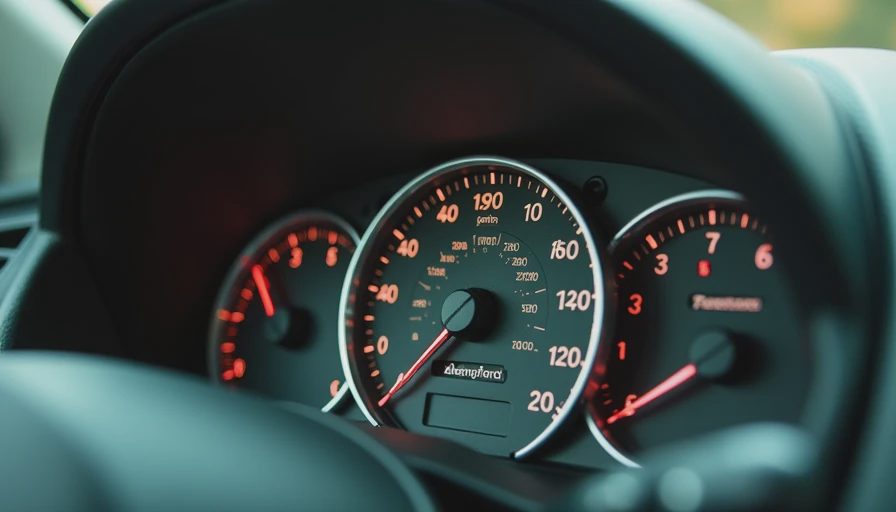
Start with the paperwork. Match the vehicle identification number on the title, dashboard, and door label. Look for consistent mileage entries, oil-change records, inspection paperwork, and receipts from named repair shops. A clean vehicle history report is helpful, but it cannot show every accident or skipped service. My old Dodge Intrepid had a clean report and still managed to lose its transmission. That lesson stays in my glovebox notebook.
Inspect the body in daylight. Uneven panel gaps, mismatched paint, overspray on rubber trim, and fresh undercoating can indicate crash repairs or an attempt to hide rust. Check the tires for uneven wear, which can point to alignment or suspension problems. Inside, make sure the windows, locks, backup camera, warning lights, heater, and air conditioner work before discussing price.
Drive it for at least 20 minutes. Include stop-and-go traffic, a higher-speed road, a hill, and several firm but safe stops. Turn the wheel fully in both directions and listen for clicking or clunking. After the drive, open the hood and look for new leaks or a sweet coolant smell. Then pay for a pre-purchase inspection by an independent mechanic. Spending $100 to $200 here can save thousands.
Is a high-mileage Elantra worth buying?
A high-mileage Elantra makes sense when the purchase price leaves room for repairs, the engine and transmission behave properly, and records show consistent care. It is less attractive when the seller refuses an inspection, the car arrives already warm, warning lights have recently been cleared, or the asking price is based on dealer-style optimism rather than condition.
For example, a 2013 Elantra listed at $6,500 with 125,000 miles and strong records could be worth serious consideration. A 2017 model at $9,000 with 118,000 miles, bald tires, no records, and a rough transmission is not automatically the better deal. Budget the complete first-year cost, including registration, insurance, tires, maintenance, and likely repairs.
If you need dependable transportation for a family, commute, or new driver, prioritize predictable ownership over the lowest sticker price. Ask how many miles can a Hyundai Elantra last, but also ask how many miles this specific Elantra has left based on evidence. Before signing, confirm the VIN, complete the inspection, scan for trouble codes, verify recalls, and negotiate from documented repairs rather than cosmetic shine. That simple process is how you avoid paying $15,000 for somebody else’s deferred maintenance.


