
You can spot them on Marketplace or sitting on a corner lot: a clean, mid-2000s sedan with a price tag that makes you feel like you’ve outsmarted the entire used car market. The seller hands you the keys, smiles, and says, "Runs like a top. Needs nothing."
You sign the title, hand over the cash, and drive home feeling like a financial genius. For the first two months, everything is smooth. The car starts every morning. The heater blows warm. You start wondering why anyone ever buys a car payment.
Then month three rolls around.
Maybe it’s a sudden puddle of green coolant in the driveway on a Tuesday morning. Maybe the alternator gives up in the Target parking lot with your ten-year-old daughter in the back seat. Or maybe it’s just a strange humming noise from the front wheel that turns into a $350 parts-and-labor reality check.
Here is the unvarnished truth I’ve learned from buying 18 used cars over 20 years: The first repair always comes in month three. Budget for it before you buy.
Why Month Three? (The Honey-Moon Period Effect)
Cars have a funny way of behaving themselves when they know they’re being sold. Sellers clear out old codes, reset tired sensors, or just hand over a car that has sat for a week without being pushed hard on the freeway.
When you buy a used car, you aren't just buying the vehicle—you are inheriting the previous owner's maintenance backlog.
Month One: You’re in the honeymoon phase. Every sound is normal; every quirk has an excuse.
Month Two: You start trusting the car. You take it on that weekend trip to the mountains or push it up the 5 freeway.
Month Three: The car is finally integrated into your real, daily routine. The hidden wear items—rubber hoses baked by California heat, aging alternators, tired suspension bushings—are forced to deal with daily commuting, speed bumps, and heat cycles. That’s when they quit.
If you spend every last dollar you have on the purchase price of the car, month three will break you.
What the "Month Three" Repair Usually Looks Like
It’s rarely a catastrophic engine failure—if a car is going to throw a rod, it usually happens in week one. Month three is usually the "forgotten maintenance" tier. Here is what typically bites you:
The Cooling System: Radiator hoses, thermostats, and water pumps that haven’t been touched in 12 years. Heat destroys rubber faster than miles do.
Suspension Components: Control arm bushings, struts, or wheel bearings that survived a gentle test drive but hate potholes.
Charging System: Alternators and starters that are operating on borrowed time.
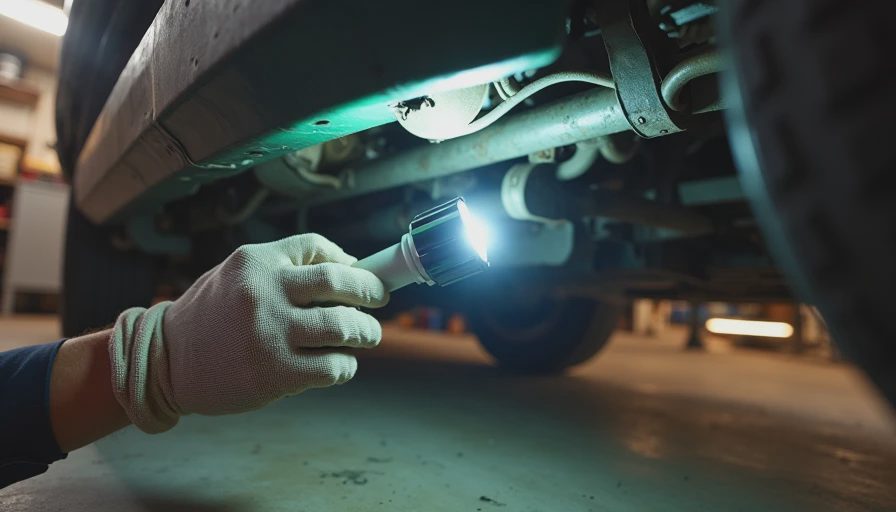
Fluid Leaks: Valve cover gaskets or power steering lines that were wiped clean for your inspection, only to start weeping once pressure returns.
Expect a bill between $400 and $1,200 depending on whether you’re turning the wrenches yourself or dropping it off at an independent shop.
How to Play It Smart: The "Plus-One" Rule
My wife Lisa—who manages our household budget like a CFO—taught me a rule years ago that has saved us from financial whiplash: Never spend your last dollar on the car.
If you have a $7,000 total budget for a used car, do not buy a $7,000 car.
Buy a $5,500 car.
Park $1,000 in a dedicated "Car Repair Envelope" (or your checking account).
Keep $500 for tax, DMV registration, and a quick fluid/filter refresh on day one.
If month three rolls around and nothing breaks? Congratulations. You’ve got a head start on next year's tires. But when something does snap, you won’t have to put it on a credit card at 22% interest. You just write the check, shake your head, and keep driving.

The Printable Month-Three Buffer Checklist (Screenshot This)
Before you transfer a single dollar to a private seller or a lot, run through this mental checklist:
[1] Purchase Price vs. Total Cash: Did I leave at least $800–$1,200 in reserve for unexpected fixes?
[2] First 90 Days Plan: Am I prepared for a minor breakdown within the first three months of ownership?
[3] Local Shop Found: Do I already have a trusted independent mechanic picked out, or am I scrambling to find one when the check engine light pops on?
[4] DIY vs. Shop Reality: Be honest with yourself—can you change your own brake pads and spark plugs, or will you be paying labor rates? Factor that into your reserve fund.
[5] Backup Transit: If the car spends three days in the shop during month three, do you and your family have a backup plan for work and school rides?
A used car doesn’t have to be a gamble, but it is a machine with a history. Respect the timeline. Assume the car is going to test you around day 90, and build that test into your math from the start.
Buy the car, not the story.


