
Let’s get one thing straight: the internet is a noisy place, and when it comes to buying a used car, everyone has an opinion. From anonymous forum threads to well-meaning uncles who haven't bought a car since 1994, advice is cheap.
Unfortunately, bad advice can cost you thousands.
Over 20 years and 18 used cars, I’ve heard it all. I’ve read the terrible tips online, listened to slick pitches on lots, and—worst of all—followed some of that bad advice myself early on. Here is a breakdown of the worst used-car buying advice floating around today, and why following it will empty your wallet.
1. "As long as the monthly payment is low, loan term doesn't matter"
This is perhaps the most dangerous trap in modern car buying. You’ll hear salespeople—and sometimes misguided friends—say, "Don't worry about the total price, we can stretch it to 72 or 84 months to get your payment right where you want it."
The Reality: Stretching a loan out to seven years means you will be "underwater" (owing more than the car is worth) for the vast majority of that loan. Cars depreciate fast. If you finance a $15,000 used car over 84 months with interest, you end up paying thousands more than the vehicle is actually worth, and you’re trapped in a financial anchor. If your monthly payment requires an 84-month loan, you are looking at a car that is simply too expensive for your budget.
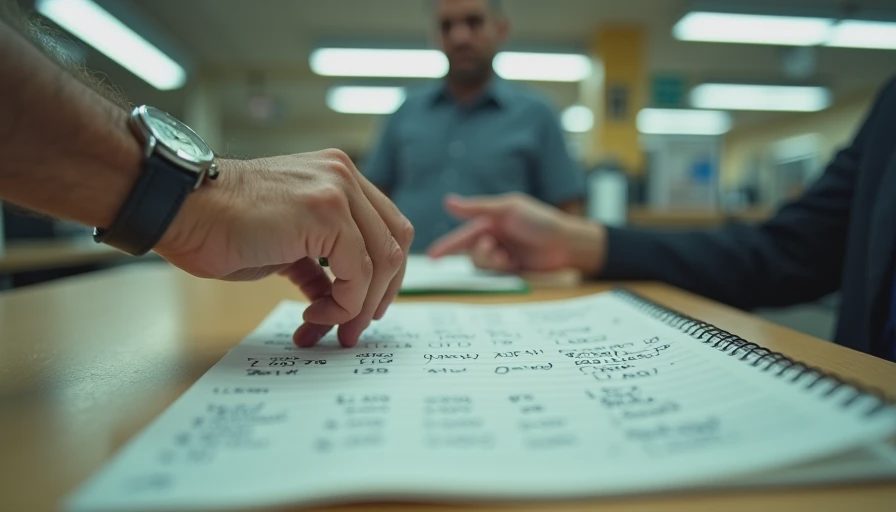
2. "Only buy a car with under 100,000 miles"
A lot of buyers treat 100,000 miles like a magical expiration date where a car instantly turns into a pumpkin. Because of this myth, people automatically pass over great, well-maintained vehicles and overpay for newer cars that might have hidden problems.
The Reality: A 130,000-mile Honda or Toyota that has been meticulously serviced with regular oil changes and a documented history is vastly more reliable than a 70,000-mile luxury sedan that was neglected, beat up on short commutes, and skipped basic maintenance. Maintenance history always beats the odometer. Buy the condition and the paper trail, not just the low mileage.
3. "Skip the Pre-Purchase Inspection (PPI) to Save $150"
When you're buying from a private seller or an independent lot, someone will inevitably tell you, "The car looks and runs great, you don't need to waste money paying a mechanic to look at it."
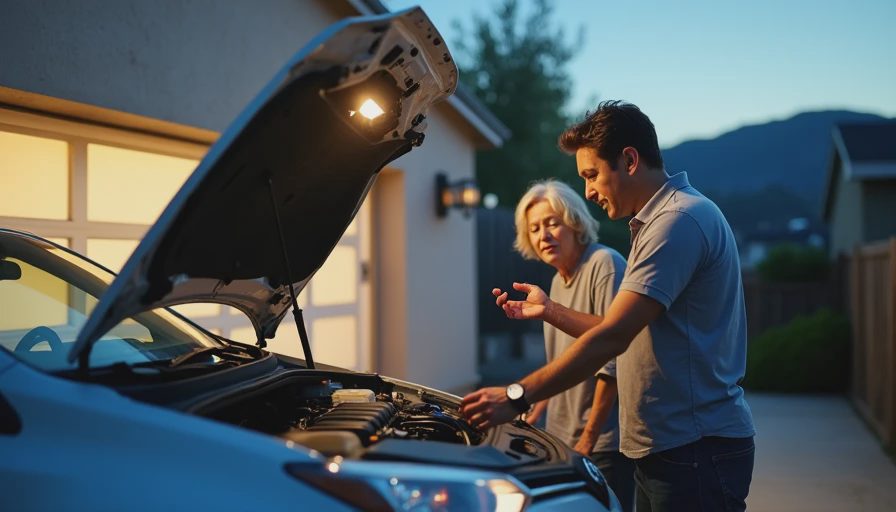
The Reality: Skipping a $150 Pre-Purchase Inspection is the ultimate definition of being penny-wise and pound-foolish. That $150 independent look on a lift can save you from a blown head gasket, a dying transmission, or frame damage hiding underneath fresh undercoating. Think of a PPI as cheap insurance. If the seller refuses to let you take the car to a local mechanic for an hour, walk away immediately.
4. "Just roll your negative equity into the new loan"
If you're currently underwater on a car loan and want to trade it in, you'll sometimes hear dealers suggest rolling your leftover balance (negative equity) into your next car loan.
The Reality: This is the automotive equivalent of using a high-interest credit card to pay off another credit card. You are compounding your debt before you even turn the ignition of your "new" car. It accelerates the cycle of financial bleeding and ensures you will stay trapped in car debt for years to come.
5. "Buy the absolute cheapest trim level you can find — features don't matter"
You’ll often hear purists or budget-conscious advisers say, "Get the base model with manual windows and cloth seats, because fewer electronics mean fewer things to break."
The Reality: While mechanical simplicity is generally a good thing, buying a completely stripped-down car that you genuinely hate driving or that lacks basic modern safety features (like a backup camera or Bluetooth connectivity) is a recipe for buyer's remorse. You end up trading it in two years later at a huge financial loss just to get something you can live with. Look for the sweet spot: the trim level that offers reliability and the creature comforts you use every day.
6. "Private party sales are always safe as long as you meet in a public parking lot"
A common piece of internet advice is: "Marketplace and Craigslist are great, just meet the seller at a Starbucks or a police station parking lot and you're golden."
The Reality: Meeting in a public place keeps you safe from physical harm, but it tells you zero about whether the car is legally sound. Private sellers can still palm off cars with forged titles, hidden lien loans, or "curbstoning" (dealers posing as private owners to hide lemon histories). A public meeting spot is only step one. You still need to verify the physical title in hand matches the seller's driver's license, run a proper vehicle history report, and verify there are no active bank liens.
The Bottom Line
Good advice about buying a used car is usually boring. It requires patience, discipline, homework, and saying "no" when your emotions want to say "yes." Bad advice, on the other hand, always sounds like a shortcut that solves your immediate problem—until the bill comes due.
Keep your head down, do your inspections, and remember the rule I keep written in my glovebox notebook:
Buy the car, not the story.


