
When people ask me what are the best used cars to purchase, I point them toward the boring names that keep showing up in my notebook: Corolla, Civic, Camry, CR-V, RAV4, Mazda3, and Outback. I have bought enough of the wrong thing to know that nice looking is not the same as cheap to own. The first lesson I learned from a disappearing Dodge transmission was simple: you do not need the flashiest car on the lot, you need the one that still has a normal repair bill and a clean service history. In the used market, the safest buys are usually the cars that were built in huge numbers, serviced at normal intervals, and not driven like rental-canyon heroes.
What are the best used cars to purchase when you want cheap repairs
If your main goal is keeping the mechanical drama low, start with a Toyota Corolla, Honda Civic, or Mazda3. A clean 2016 to 2018 Corolla with 70,000 to 110,000 miles often lands in the $12,000 to $16,500 range. A Civic from the same years usually costs a little more, and a Mazda3 can give you a nicer cabin and better steering for similar money. The reason I like these cars is not because they are exciting. It is because brake jobs, tires, batteries, and fluid changes are usually the kind of money you can plan for. The wrong used car turns into a surprise $3,000 or $4,000 problem fast. These usually do not.
The other thing I like is that small problems stay small. A sticky window switch, a worn sway bar link, or a tired battery is annoying, but it does not wreck the budget. A car with a reputation for normal parts and easy service is the kind of car you can keep for years without turning every Saturday into a repair session. If you are trying to stretch a family budget, that matters more than heated seats or a giant screen.
What are the best used cars to purchase for a family hauler
For family duty, I keep coming back to the Honda CR-V and Toyota RAV4. A 2014 to 2017 CR-V or a 2015 to 2018 RAV4 usually gives you usable back-seat space, good cargo room, and parts that are easy to find anywhere in the country. Prices often sit somewhere around $14,000 to $22,000 depending on miles, trim, and condition. That sounds like a wide spread, but the difference between a clean, well-kept example and a tired one can be several thousand dollars. The nice part is that you are buying a shape that works for school runs, Costco trips, strollers, and road trips without feeling like a bus.
Subaru Outback deserves a spot here too, especially if you deal with bad weather or rough roads. I like the layout, the visibility, and the all-wheel-drive confidence. I also want proof of maintenance, because neglected Subarus can turn into oil-leak and cooling-system homework. If you are shopping one, ask for records, check for uneven tire wear, and make sure the A/C is cold at idle. My daughter can fall asleep in the back of a CR-V without complaint, which is about as honest a family test as I know.

The cars I skip when I am trying to protect a budget
This is where a lot of buyers get hurt. A luxury badge at a used-car price can look like a win until the first repair estimate shows up. Older German sedans, high-mileage turbo cars, and anything with a sketchy history of electrical issues can become money pits if the previous owner cut corners. I am not saying every luxury car is bad. I am saying the cheap purchase price often hides expensive tires, pricier brakes, and labor that costs more because the car is harder to work on.
I also get cautious around vehicles with a CVT, which is a continuously variable transmission. Some are fine, but if the service history is weak or the test drive feels weird, I treat that like a warning sign. A car with three owners in two years, mismatched tires, fresh paint on one panel, or a dealer story that sounds too polished usually sends me looking elsewhere. A good deal should not require a detective novel.
Match the car to your insurance and repair budget
A lot of buyers focus only on the sticker price, then forget the rest of the monthly math. A car that costs $13,000 to buy can still be the wrong buy if it needs $1,200 in tires, $900 in brakes, and a higher insurance bill than you expected. Before you sign anything, run an insurance quote on the exact year and trim. A sporty trim, bigger wheels, or extra power can nudge premiums up. On the other hand, a plain sedan or common crossover usually keeps both repair and insurance costs easier to live with.
That matters because one bad parking-lot tap can turn into a costly headlight, bumper cover, or sensor replacement. I have seen a clean-looking front end hide a repair bill that made the buyer feel sick a week later. If you are choosing between two similar cars, the one with simpler parts and fewer fancy electronics often wins in the long run.
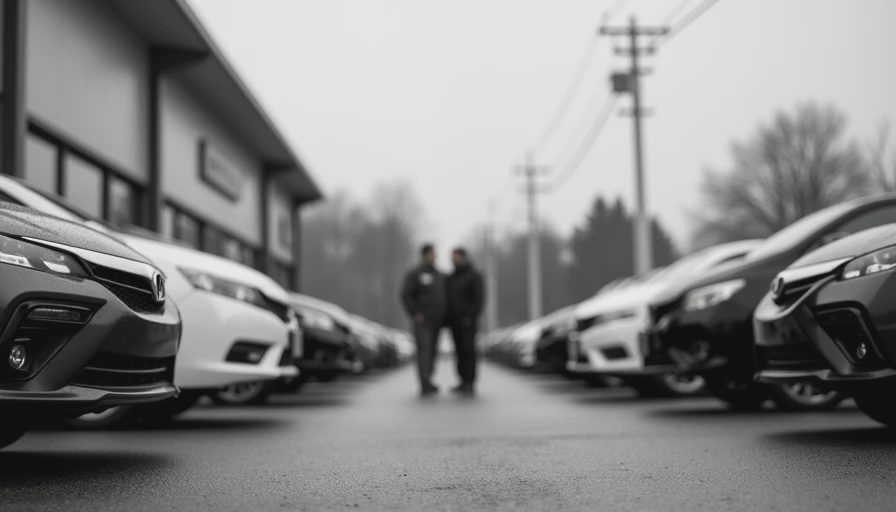
A test drive routine that catches bad cars fast
Start the car cold if you can. Listen for rattles, watch the idle, and check that the check-engine light comes on with the key and then goes out after startup. Drive it through neighborhood speeds, then get on a highway ramp and feel how it shifts and merges. A good car should steer straight, stop cleanly, and change gears without hesitation or weird flare between shifts. If the steering wheel shakes, the brake pedal pulses, or the transmission feels confused, do not talk yourself out of it because the paint looks nice.
I also like to test the small stuff that becomes big stuff later. Make sure the A/C gets cold, the windows move normally, the backup camera works, and the rear seats fold the way they should. If the seller is rushing you, hiding the title, or acting annoyed when you ask for a pre-purchase inspection, walk away. The right car will not disappear because you asked one normal question.
What I would tell my own family before buying
If I were shopping today, I would start with the cleanest Corolla, Civic, Camry, CR-V, RAV4, or Mazda3 I could afford, then I would pay for the inspection before I got attached. That inspection should cover the engine, transmission, brakes, tires, suspension, and any leaks underneath. Spend the $150 to $250 if that is what the shop charges. It is cheap compared with buying a problem you cannot see from the driver seat.
So if you are still deciding, keep the rule simple: buy the car, not the story. Bring the checklist, bring patience, and do not pay extra just because the seller talks fast or the dashboard lights up nicely at night.


