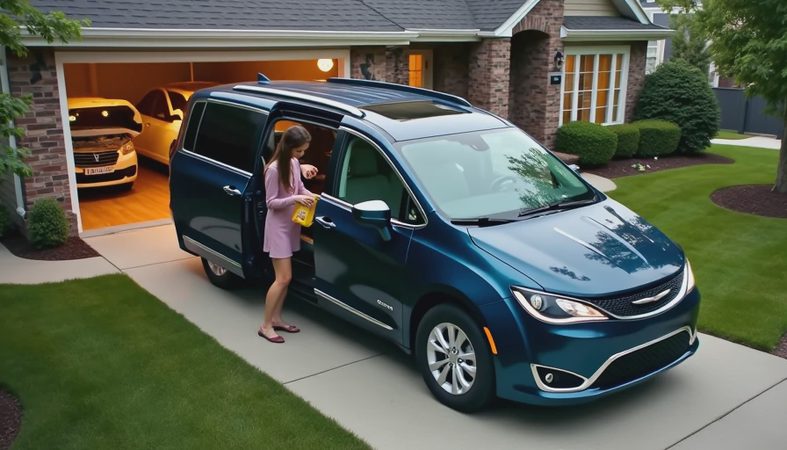
The 2017 chrysler pacifica looked like the answer to every family-car problem when it arrived: three rows, sliding doors, comfortable seats, and enough room for sports gear without stacking it to the roof. Used prices now make it tempting for families trying to stay near a $15,000 to $25,000 budget. But this is also a first-year vehicle, and first-year vehicles deserve more suspicion than a shiny exterior gets.
I have bought enough used cars to know the expensive mistake is usually not the purchase price. It is buying the wrong maintenance history, ignoring a warning light, or trusting a seller's story because the test drive felt smooth. The 2017 chrysler pacifica can be a smart family hauler, but only after you verify the specific van in front of you. Buy the car, not the story.
What makes the 2017 Pacifica appealing
The 2017 chrysler pacifica replaced the old Town & Country formula with a more refined platform and a 3.6-liter Pentastar V6. Power is adequate for merging with a full load, and the automatic transmission generally delivers relaxed highway cruising. Most versions seat seven or eight, depending on the second-row setup.
The biggest practical win is the Stow ’n Go seating. The second- and third-row seats fold into the floor, creating a flat cargo area without removing heavy seats. That matters when you are carrying a stroller, swim bags, groceries, and a flat-pack bookshelf on the same Saturday. Higher trims can include features such as a power liftgate, heated seats, rear-seat entertainment, adaptive cruise control, and a surround-view camera.
Trim matters. A basic L or LX can be affordable but lacks some family-friendly equipment. Touring-L models often hit a useful middle ground with leather upholstery and better convenience features. Limited versions feel much nicer, but their extra electronics can create more expensive repair bills as the van ages. I would rather buy a well-maintained Touring-L with 100,000 miles than a neglected Limited with 75,000.
Common problems to investigate before buying
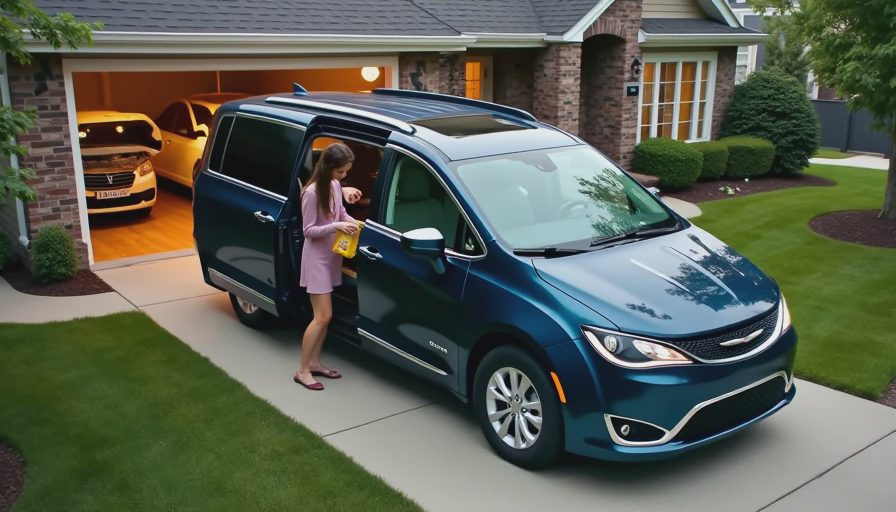
The 2017 chrysler pacifica has a mixed reputation largely because software glitches and electrical complaints can be frustrating to diagnose. Some owners report problems with the infotainment system, backup camera, power sliding doors, or dashboard warning messages. A single frozen screen is not automatically a deal breaker, but repeated failures deserve a written repair estimate.
Pay close attention to transmission behavior. During the test drive, the van should shift smoothly from a stop, during moderate acceleration, and while slowing down. A hard bump, delayed engagement, shudder, or flare in engine speed can point to a problem that costs thousands rather than hundreds. Do not let a seller explain away a harsh shift as “normal for these vans.”
Check for coolant leaks around the engine and inspect the oil level and condition. The 3.6-liter engine is common across many Chrysler, Dodge, Jeep, and Ram products, so replacement parts are available, but that does not make major engine work cheap. Look underneath for fresh fluid, not just a clean, recently washed engine bay.
The sliding doors and liftgate need their own inspection. Open and close each one several times using the handles, dashboard switches, and remote. Listen for clicking, hesitation, or a motor that keeps running after the door stops. A door that works only when the van is perfectly level is not a charming quirk; it is a repair waiting for your money.
What should you pay?
Pricing depends heavily on mileage, trim, location, accident history, and service records. As a rough shopping range, an older 2017 chrysler pacifica with 120,000 or more miles might land around $13,000 to $17,000 from a private seller, while a clean, lower-mileage Touring-L or Limited can reach $20,000 to $25,000. Dealer pricing may be higher because of reconditioning, financing, and limited warranties.
Do not compare only the advertised price. Add sales tax, registration, a pre-purchase inspection, immediate fluids, tires, and a repair reserve. A $16,000 van that needs four tires, brakes, and a battery can become a $18,000 van before your first family road trip. I would keep at least $1,500 available after purchase, and closer to $3,000 if the van has more than 100,000 miles.
A clean vehicle history report helps, but it is not proof that the vehicle is healthy. Reports can miss unreported collisions, maintenance performed by small shops, and flood exposure. A lower price is useful only when the inspection explains why it is lower.
The inspection routine that protects your budget
Start the inspection with the engine cold. Ask the seller not to warm it up before you arrive. A cold start reveals slow cranking, smoke, rattling, and rough idle more clearly than a warm engine. Watch the dashboard as the ignition is switched on; warning lights should illuminate briefly and then go out after startup.
Drive the 2017 chrysler pacifica for at least 20 minutes. Include neighborhood streets, a hill, a highway entrance, and a parking-lot maneuver at full steering lock. Test the air conditioning in the rear and front, every power window, both sliding doors, the liftgate, seat adjustments, USB ports, and the backup camera. Families discover dead rear climate controls after the sale because they test only the driver's seat.
Use an OBD-II scanner before negotiating. It can reveal stored trouble codes even when the dashboard light is currently off. A scanner costs roughly $20 to $60, and a professional inspection usually costs about $150 to $250. That inspection is cheap compared with diagnosing an electrical problem or replacing a transmission.
Ask for service receipts, not a verbal promise. Look for evidence of regular oil changes, brake work, tires, battery replacement, and transmission-related service. Confirm that the vehicle identification number on the paperwork matches the van. If the seller refuses an independent inspection, walk away. The refusal is information.
Insurance and ownership costs
Insurance for a 2017 chrysler pacifica is often less painful than coverage for a newer luxury SUV, but premiums still depend on your ZIP code, driving record, credit-based insurance rating where allowed, annual mileage, and selected limits. Get quotes before buying. A van with comprehensive and collision coverage can cost noticeably more than one carrying liability coverage only, especially if your lender requires full coverage.
Ask for quotes with the same liability limits and deductibles from several carriers, including GEICO, Progressive, State Farm, and a local independent agent. Raising a collision deductible from $500 to $1,000 can reduce the premium, but only choose it if you can comfortably pay the larger amount after a claim. The cheapest policy is not useful if it leaves your family exposed to inadequate liability limits.
Fuel, tires, brakes, and repairs matter too. Expect minivan fuel economy rather than sedan economy, particularly with a full load or frequent city driving. A set of decent tires can run $600 to $1,000 installed, and brake work can easily reach $400 to $900 depending on what is needed. Budgeting for those items prevents a normal repair from becoming a credit-card emergency.
My final buying checklist
The 2017 chrysler pacifica is worth considering when the price matches the mileage, the transmission behaves properly, the electronics work, and the service history is real. I would pass on a van with multiple warning lights, unexplained shifting issues, water damage, or a seller who blocks an inspection. There are too many family vehicles available to inherit somebody else's neglected project.
Screenshot this list before you go:
- Confirm the VIN, title status, mileage, and recall completion.
- Inspect the van cold, including the engine bay and underside.
- Test every door, seat, screen, camera, climate control, and outlet.
- Drive for 20 minutes through city streets, hills, and highway traffic.
- Scan for stored codes and pay for an independent inspection.
- Compare insurance quotes using identical coverage limits.
- Keep $1,500 to $3,000 reserved for immediate repairs.
- Negotiate from documented defects, not guesses.
A clean, properly inspected van can give a family years of practical service. A polished van with missing records can drain your budget quickly. Take your time, trust evidence over enthusiasm, and remember the rule that has saved me from several bad purchases: buy the car, not the story.


