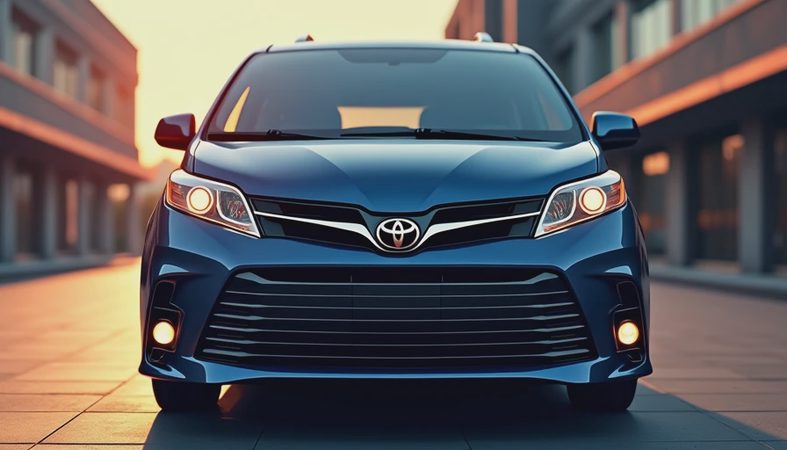
If you are shopping for a sienna toyota, you are probably looking for something practical rather than flashy. I understand. With two kids, sports gear, groceries, and the occasional road trip, a minivan can make more sense than a three-row SUV. But a used van can also hide expensive problems behind clean paint and a fresh detail. I have bought enough used cars to know the rule: buy the car, not the story.
The Toyota Sienna has a strong reputation for durability, but reputation is not an inspection report. Year, mileage, maintenance, drivetrain, and previous use matter more than the badge on the liftgate. A carefully chosen 2011 Sienna with service records can be a better purchase than a neglected 2018 model with a suspiciously low price.
Which sienna toyota years deserve attention?
The Sienna has been sold in several generations, and each has a different shopping profile. The 2004 through 2010 models are often inexpensive, with working examples commonly listed around $5,000 to $11,000 depending on mileage and condition. These vans can be useful bargains, but age-related repairs are unavoidable. Expect worn suspension parts, tired air-conditioning components, leaking power-steering lines, and interior damage from years of family use.
The 2011 through 2016 generation is a common sweet spot for used buyers. It has modern safety equipment, a roomy cabin, and plenty of parts availability. Prices often land between $10,000 and $20,000. I would rather see 145,000 highway miles with consistent oil changes than 95,000 neglected city miles and no paperwork.
A 2017 or newer sienna toyota usually costs more, often $20,000 to $35,000 depending on trim and mileage. These vans feel more refined, but do not assume newer means trouble-free. The hybrid Sienna arrived for the 2021 model year and can deliver excellent fuel economy, but its higher purchase price and hybrid-system complexity deserve a different inspection approach.
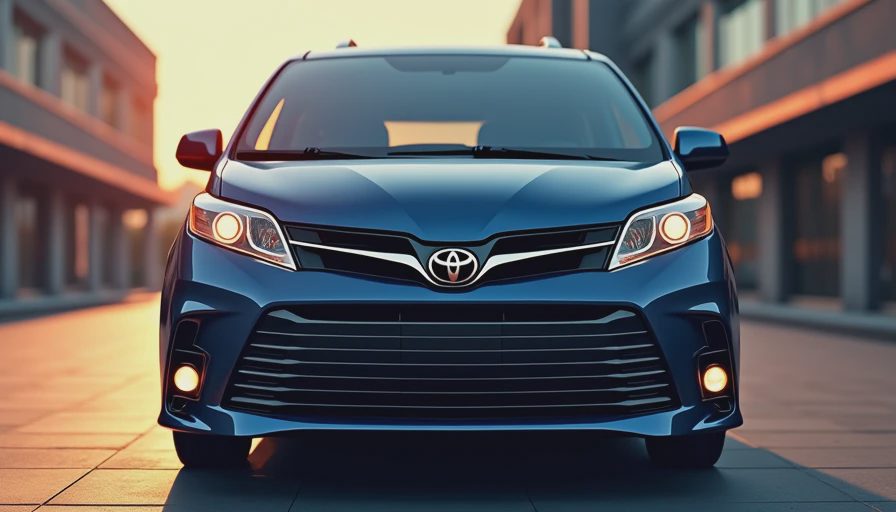
What to inspect before handing over money
Start with a cold engine. Ask the seller not to warm it up before you arrive. A cold start can reveal rattling, hard starting, smoke, or an uneven idle that disappears once the engine reaches operating temperature. Watch the dashboard for warning lights during startup, then make sure they turn off normally. A seller who says a warning light is "just a sensor" should be prepared to prove it with a diagnostic scan.
Check for oil leaks around the valve covers, timing-cover area, and underneath the engine. A few damp spots are different from fresh oil dripping onto the driveway. Look at the transmission fluid condition where the service procedure allows it, and ask for records showing fluid changes. On all-wheel-drive versions, inspect the driveshaft and differential area for leaks or damage.
The sliding doors deserve their own test. Open and close each door several times using the handles, remote, and interior switches. Listen for grinding, hesitation, or a motor that keeps running after the door reaches the latch. Power-door repairs can cost several hundred dollars, and a damaged track can push the bill higher. Test every seat belt, window, lock, camera, heater, and air-conditioning setting. A family van has more switches than a basic sedan, which means more chances for a small defect to become an expensive annoyance.
The test drive tells you what the listing does not
Drive the sienna toyota on city streets, a rough patch of pavement, and a short highway stretch. At low speed, turn tightly in both directions and listen for clicking from the front axles. On a rough road, pay attention to clunks, bouncing, or a steering wheel that does not return smoothly after a turn. Those symptoms can point to worn struts, control arms, ball joints, or alignment problems.
Accelerate firmly onto the highway. The transmission should shift without a harsh bang, flare, or long pause. A flare happens when the engine revs rise but the vehicle does not accelerate as expected. That is not a personality trait; it can signal internal transmission wear. Brake from different speeds and feel for steering-wheel shake or pedal pulsation. A brake job might cost $350 to $800, while deeper suspension or transmission work can quickly reach several thousand dollars.
Try the van with the radio off. Sellers often use music to hide noises. Turn the fan off briefly, open the windows, and listen. Then drive with the air-conditioning running, because a weak system is miserable in a full cabin during summer. If you have children, bring their car seats or measure the seating positions. A brochure can tell you the passenger capacity, but your actual family decides whether the third row is usable.
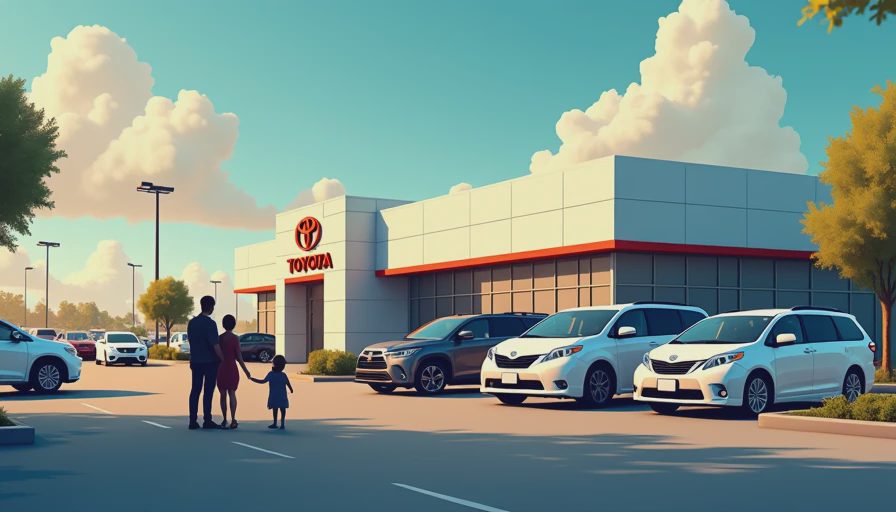
Paperwork, pricing, and the inspection appointment
Read the vehicle history report, but do not treat it as a mechanical guarantee. A clean report can miss flood damage, poorly repaired collision work, or maintenance performed by a shop that never reported it. Compare the vehicle identification number on the dashboard, door label, title, and paperwork. Look for mismatched paint, overspray, uneven panel gaps, and tires from different brands or with noticeably different tread depths.
Before negotiating, get a pre-purchase inspection from an independent mechanic who does not work for the seller. Expect to pay roughly $150 to $250 in many areas. That money is cheap compared with discovering a leaking rear main seal or failing catalytic converter after the sale. Tell the mechanic you want a written report with photographs, not a quick thumbs-up in the parking lot.
For pricing, compare at least five similar vans with the same approximate year, mileage, drivetrain, and trim. A low-priced sienna toyota may be missing key maintenance or have a rebuilt title. A higher-priced example may include recent tires, brakes, timing-service work, and documented fluid changes. Those items have real value, but only if receipts support the claim. I would pay $1,500 more for a thoroughly documented van before paying the same amount for a newer-looking one with vague promises.
Common ownership costs families overlook
The purchase price is only the first line in the budget. Set aside money for tires, brakes, fluids, registration, and an emergency repair fund. A set of decent minivan tires can cost $650 to $1,000 installed. Replacing worn struts and related hardware may run $700 to $1,500, depending on parts and labor. Air-conditioning repairs vary widely, from a simple recharge or relay to a compressor replacement costing well over $1,000.
Insurance, fuel, and parking also matter. An older sienna toyota may save money upfront but consume more fuel than a newer model. An all-wheel-drive version can help in certain conditions, yet it adds components and potential maintenance. Do not buy all-wheel drive merely because it sounds desirable; buy it if your driving actually benefits from it.
Ask whether the van has been used for towing, airport service, delivery work, or frequent short trips. Heavy use does not automatically disqualify a vehicle, but it changes what I want to see in the records. Regular oil changes, transmission service, cooling-system work, and replacement of worn suspension parts show that someone spent money before you arrived.
My lot-side checklist for a smarter purchase
Before you leave home, save the listing, vehicle identification number, seller contact information, and advertised price. At the van, check the cold start, warning lights, tires, body panels, glass, lights, doors, seats, and climate controls. During the drive, test braking, steering, shifting, acceleration, and road noise. Afterward, inspect underneath for fresh leaks and scan the computer for stored trouble codes.
Do not negotiate until you know what needs fixing. Write each problem beside a realistic repair estimate. A cracked windshield, four worn tires, and a dead sliding-door motor can turn a $14,000 deal into a $17,000 project. Give the seller one clear number based on the inspection, and be ready to walk away if the paperwork does not match the vehicle.
That is the part most buyers skip. There will always be another van. When you find a sienna toyota with honest records, a clean inspection, and a price that leaves room for maintenance, you can buy with confidence instead of hope. Take your time, bring a flashlight, and remember the lesson I learned from my first bad purchase: buy the car, not the story.


