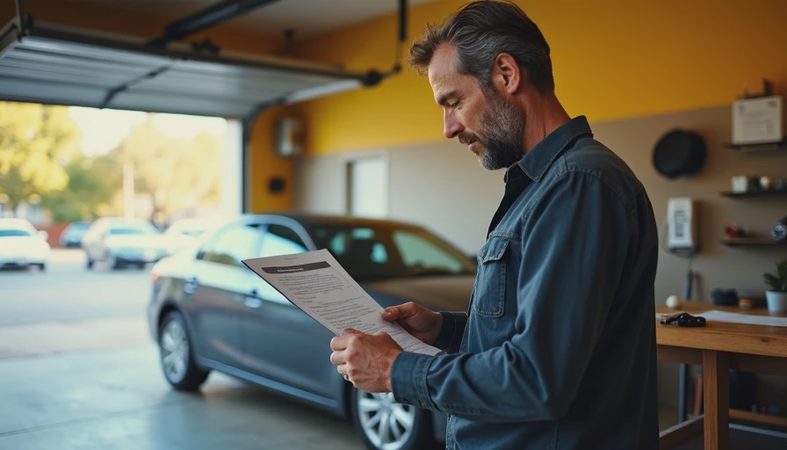
A Carfax report is useful, but it isn’t a guarantee. I learned that from a 2003 Dodge Intrepid with a clean report and a transmission that failed shortly after I bought it.
The expensive lesson: don’t use Carfax to confirm that you want the car. Use it to find questions the seller still needs to answer.
Start With the Timeline
Ignore the big green checkmarks for a minute. Read the vehicle’s history in chronological order.
Look for regular oil changes, mileage updates, and scheduled maintenance. Then pay attention to unexplained gaps. If the car jumps from 55,000 to 75,000 miles without a single service record, ask why.
The owner may have used a shop that doesn’t report to Carfax or performed the work at home. That’s fine—if there are receipts. Without documentation, it’s an unknown.
“No Accidents Reported” Does Not Mean Accident-Free
It only means Carfax didn’t receive an accident report. Cash repairs and work performed by non-reporting body shops may never appear.
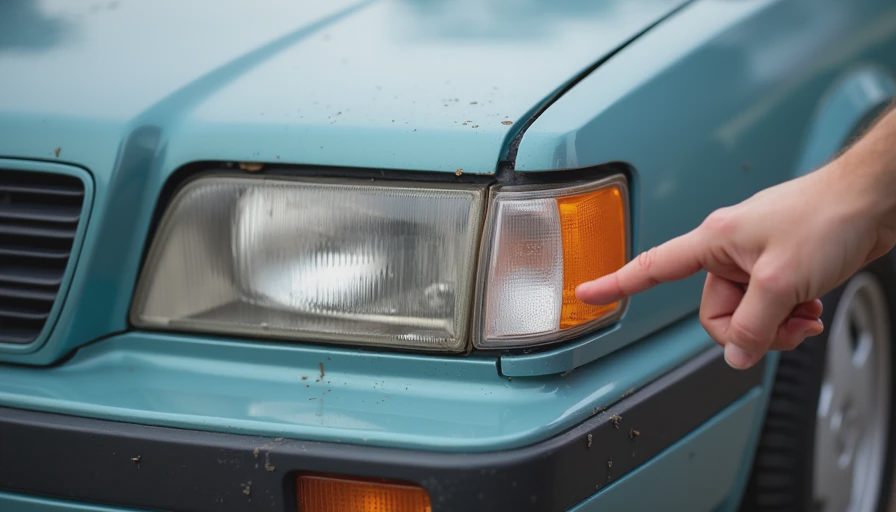
Inspect the car for clues:
Paint that doesn’t match between panels
Uneven gaps around the hood, doors, or trunk
A newer headlight on only one side
Overspray on rubber seals or plastic trim
Several body-related repairs recorded close together
Minor damage isn’t automatically a dealbreaker. Poorly repaired damage can be.
Translate Vague Service Entries
Some report descriptions sound more reassuring than they are.
The Report Says | What You Should Ask |
|---|---|
Vehicle serviced | What work was performed, and where is the invoice? |
Computer/module checked | Which warning light or diagnostic code appeared? |
Minor damage reported | Where was the damage, and how was it repaired? |
Vehicle repossessed | Was regular maintenance delayed or skipped? |
A vague entry is not proof that something is wrong. It is a reason to ask for details.
Watch What Happens Before a Sale
A sudden cluster of repairs immediately before the car was traded or listed can be revealing.
Sometimes the owner responsibly prepared it for sale. Other times, they learned that a major repair was coming and decided to pass the problem along.
Ask directly:
“What made the previous owner sell the car at this point?”
You may not get a complete answer, but the timing tells you where to investigate.
Verify the Report
A vehicle history report should be one part of your research, not the entire inspection. Also verify:
The VIN on the report matches the car
The mileage increases consistently
The title has no salvage, flood, or rebuilt branding
Open recalls have been checked
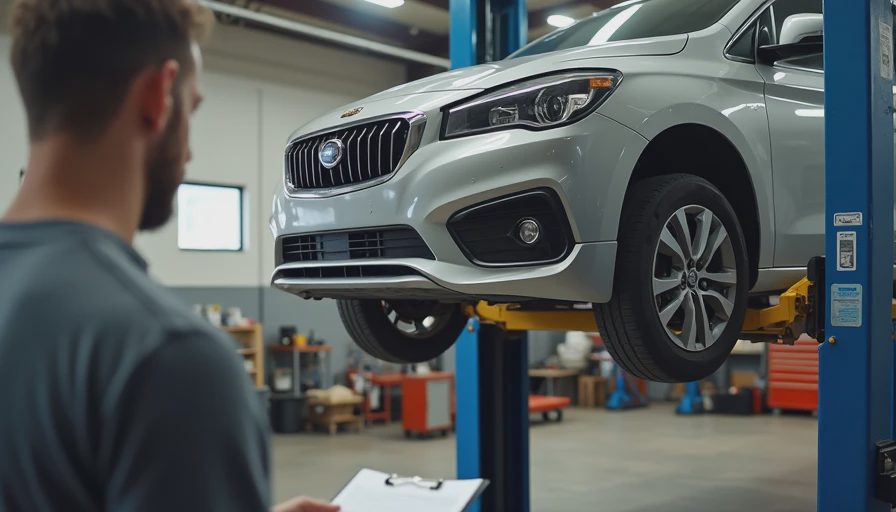
The car passes an independent pre-purchase inspection
A mechanic can find leaks, collision repairs, worn suspension components, and developing problems that may never appear in a database.
Ask the Seller One Final Question
After reviewing the report, ask:
“If the report missed one thing about this car, what would it be?”
Then stop talking.
An honest seller may mention a scraped bumper or maintenance performed at home. A vague response doesn’t prove anything, but it gives you another reason to slow down.
Carfax Checklist
Screenshot this before visiting the car:
Check for unexplained mileage or service gaps
Investigate vague service descriptions
Look for accident evidence even with a clean report
Verify the mileage, VIN, and title status
Ask for maintenance and repair receipts
Check for open recalls
Get an independent inspection
Never treat a history report as a warranty
A Carfax report gives you leads, not conclusions. Follow those leads before handing over your money.
Buy the car, not the story.


