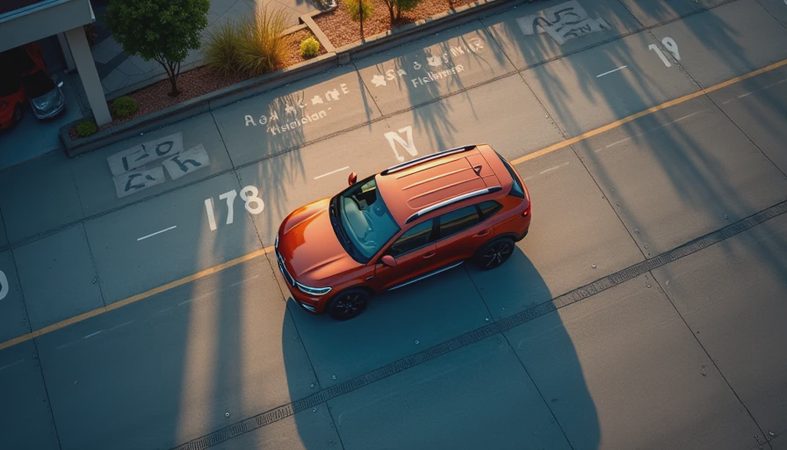
If you are searching for the best year for Mazda CX-5 ownership, you are probably trying to avoid the classic used-car mistake: buying the newest-looking vehicle instead of the healthiest one. I have spent enough weekends crawling under cars in driveways to know that a clean detail job can hide neglected maintenance. The CX-5 is generally a strong compact SUV, but some model years make more sense than others depending on your budget, engine preference, and tolerance for modern electronics.
My short answer is this: I would start with a well-maintained 2021 or 2022 Mazda CX-5, then consider a 2019 or 2020 if the price is right. The 2017 model began the second-generation CX-5 and can be a good buy, but it deserves a careful inspection because early examples are now older and often have more miles. A service history matters more than a shiny badge.
My top picks: 2021 and 2022
For most used buyers, the best year for Mazda CX-5 shopping is 2021. It has the mature second-generation body, a comfortable cabin, standard driver-assistance equipment on many configurations, and a reputation for feeling more expensive than its used price suggests. The naturally aspirated 2.5-liter four-cylinder is not a rocket, but it is predictable, simple, and adequate for commuting and family duty.
The 2022 CX-5 is also high on my list. Mazda refreshed the exterior styling and made all-wheel drive standard on the CX-5 lineup for that model year. That makes it appealing to buyers in snowy states, although all-wheel drive does not replace proper tires or sensible driving. The interior materials and seat comfort remain a major reason to choose this SUV over some competitors.
Expect used prices to vary widely with mileage, trim, and local supply. A clean 2021 or 2022 example with roughly 40,000 to 70,000 miles can easily land in the high teens to mid-$20,000s. I would rather buy a $21,000 CX-5 with complete records than a $24,000 one with vague answers about oil changes.
Where the 2017 to 2020 models fit
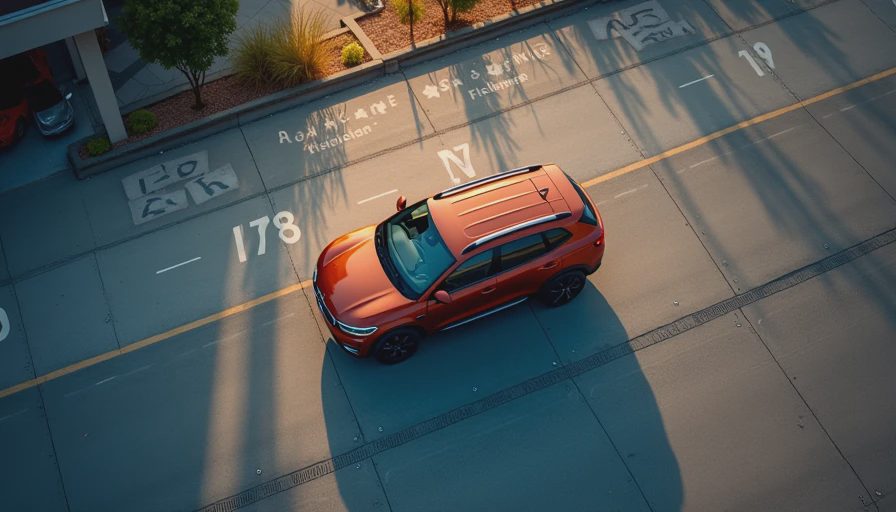
The 2017 CX-5 is the first year of the second generation, and it brought a quieter cabin, better road manners, and a more polished interior than the outgoing model. It is often the value play. A 2017 or 2018 can work well for a buyer who has a $15,000 to $20,000 budget, but age changes the inspection math. Rubber suspension parts, tires, brakes, battery, and air-conditioning components may need attention even if the engine runs smoothly.
The 2019 and 2020 versions are especially attractive because they offer the same basic formula with newer safety and convenience features, depending on trim. The 2020 model can also be found with Mazda's available turbocharged engine in higher trims. That engine delivers stronger acceleration, but it can bring higher purchase prices and potentially higher repair costs. I would not pay thousands extra for turbo power if the vehicle will mainly carry groceries, children, and commuting gear.
When someone asks me for the best year for Mazda CX-5 value, I usually point to 2019 or 2020 as the middle ground. They are new enough to avoid some age-related expenses, yet they may cost noticeably less than a comparable 2022.
Years and issues that deserve extra scrutiny
I am not calling every older CX-5 a bad car. I am saying that the oldest available examples need a different buying strategy. The 2013 through 2016 models use the first-generation design. Some are perfectly serviceable, but condition varies greatly because many have already passed through several owners. A cheap listing with 130,000 miles can become expensive quickly if it needs tires, brakes, suspension work, and overdue fluids at the same time.
On any CX-5, inspect for oil leaks, rough idle, warning lights, noisy wheel bearings, uneven tire wear, and clunks over broken pavement. Some turbocharged vehicles have had owner reports involving oil consumption or engine-related concerns, so I would be strict about maintenance records and cold-start behavior. Do not let a seller warm up the engine before you arrive; a cold start reveals more.
I also look closely at the infotainment screen, backup camera, power liftgate, air-conditioning, and blind-spot monitoring. A small electronic problem is not automatically a deal breaker, but diagnostic time and replacement parts can turn a $200 annoyance into a four-figure repair.
The inspection routine I use before buying
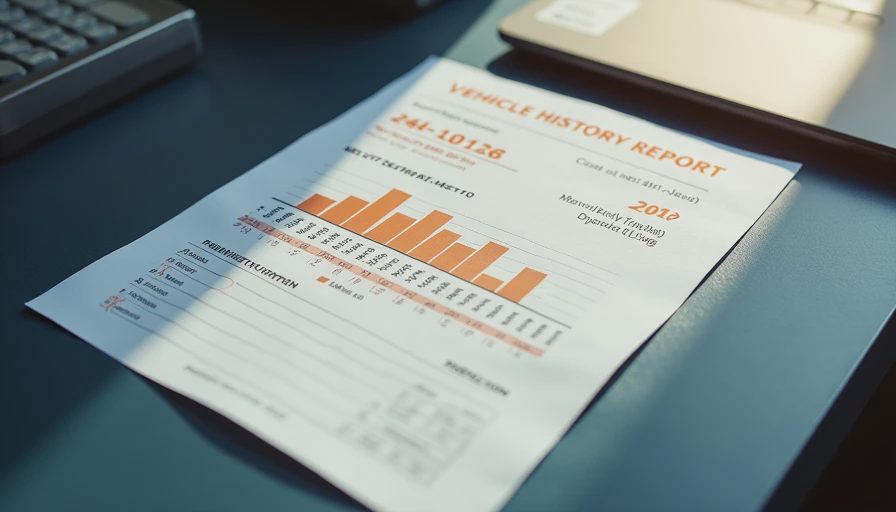
First, run the vehicle identification number through a reputable history report, but treat it as a starting point rather than proof of health. My old Dodge Intrepid had a clean report and still developed a disappearing transmission. That lesson stays in my notebook: buy the car, not the story.
Next, compare the mileage with the service paperwork. Look for regular oil changes, tire rotations, brake work, and evidence that recalls or software updates were completed. Ask whether the car was used for short trips, towing, rideshare work, or long highway commuting. Use and maintenance patterns tell you more than a seller's word “babied.”
During the drive, test the CX-5 in traffic, at neighborhood speeds, and on the highway. The automatic transmission should shift without harsh engagement or slipping. The steering should track straight, and braking should feel smooth without pulsing through the pedal. Turn the wheel fully in a parking lot and listen for clicks or groans. Try every window, switch, speaker, camera, and climate-control setting.
Finally, pay for a pre-purchase inspection from an independent mechanic. Spending $150 to $250 can uncover worn control arms, fluid leaks, accident repairs, or tires that are nearly finished. If the seller refuses a reasonable inspection, I would walk away, regardless of how attractive the price looks.
What to budget after you buy
Do not spend every dollar on the purchase price. Set aside at least $1,000 for immediate catch-up maintenance on an older used SUV. That could cover an oil service, filters, wiper blades, a battery, or one overdue brake job. A 2017 CX-5 may need more age-related attention than a 2021, while a turbo model deserves a larger emergency cushion.
Get insurance quotes before signing anything. A newer trim with more expensive sensors, all-wheel drive, or a turbo engine can cost more to insure than a basic front-wheel-drive model. Compare the premium, deductible, and coverage limits rather than choosing the cheapest monthly number. Liability coverage pays for damage you cause to others, while collision and comprehensive coverage protect your vehicle under covered circumstances.
Also check tire condition. Four matching tires with healthy tread can cost $600 to $1,000, depending on size and brand. On an all-wheel-drive CX-5, mismatched or unevenly worn tires are especially worth discussing with a mechanic.
My final buying recommendation
For a practical family buyer, I would shop the best year for Mazda CX-5 candidates in this order: a documented 2021, a documented 2022, then a clean 2019 or 2020. I would choose the naturally aspirated engine unless I genuinely needed faster acceleration. I would accept higher mileage before I accepted missing maintenance records.
Save this checklist for the lot: start the engine cold, inspect the tires, scan for warning lights, test every electronic feature, drive on multiple road types, verify the title and history, compare service records with mileage, and schedule an independent inspection. The best year for Mazda CX-5 ownership is helpful, but the best individual vehicle is the one that was maintained by someone who planned to keep it. Buy that car, not the story.


