Before kids, buying a used car was simple: Does it look cool? Does it shift smooth? Can I afford the payment?
Then Diego and Sofia came along, and the entire criteria shifted. Suddenly, your car isn't just a machine to get you from point A to point B—it’s a rolling family room, a snack-crumb containment zone, a nap chamber, and a safety capsule.
When you’re shopping for a family car on a real-world budget, dealerships love to distract you with third-row novelty, panoramic sunroofs, and shiny leather seats. But if you’ve spent twenty years getting burned by used cars the way I have, you learn that family vehicles need to survive a very specific kind of torture test.
Here are the non-negotiables I look for now when buying a used car for the family—and the things I’ve learned to stop caring about.
1. The Car Seat Anchor Test (LATCH Accessibility)
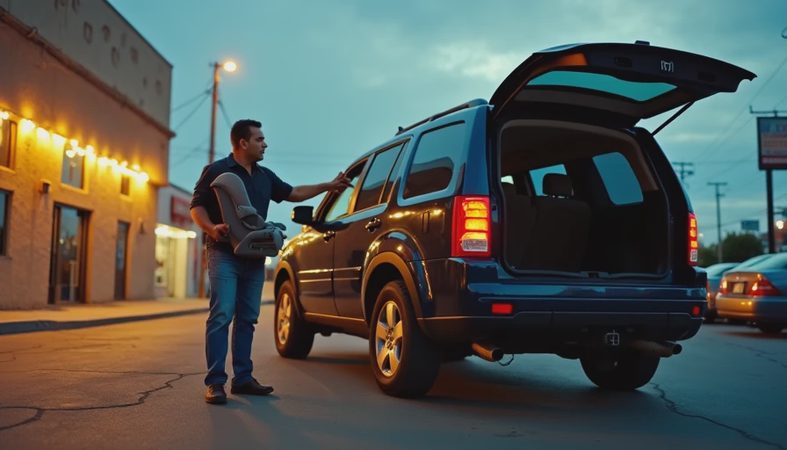
If you have toddlers or kids in boosters, this is your number-one priority on the lot. Do not trust a seller who says, "Yeah, it has LATCH anchors in the back." Bring a car seat with you. Actually install it right there in the parking lot or driveway.
The Reality Check: Some cars make you contort your body like a circus performer just to clip a tether anchor buried two inches deep in hard leather. If the anchors are awkward to reach, you’re going to dread moving that seat for the next five years.
The Belt Path: Check how much front-seat legroom is sacrificed when a rear-facing seat is clicked in. If your knees are jammed against the glove box just so your toddler's legs have room, walk away.
2. The "Spill & Wipe" Interior Test
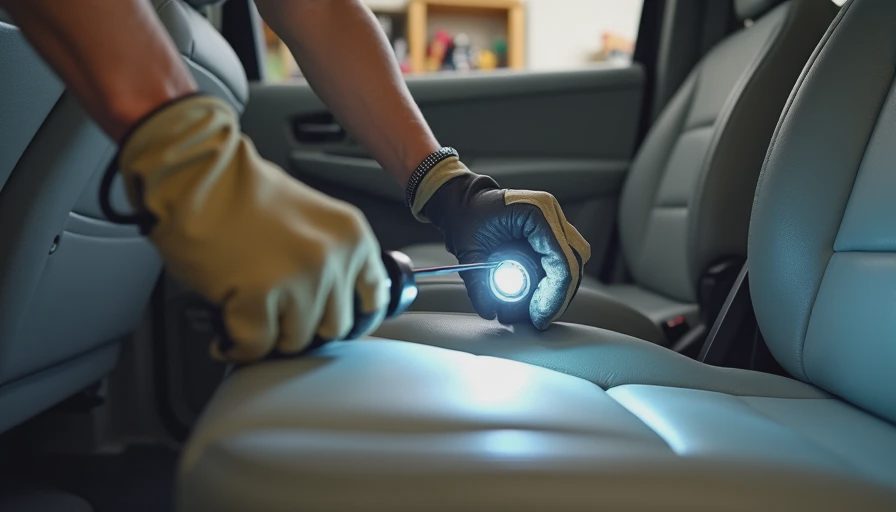
Forget luxury leather or light-colored carpets. Unless you enjoy spending your entire Saturday scrubbing crushed Cheerios and spilled juice out of high-end wool fibers, interior materials matter.
Cloth vs. Leather/Vinyl: Good-quality, tightly woven cloth or durable rubber-backed all-weather mats are a parent's best friend.
Cupholders and Door Pockets: Count them. If a car doesn’t have deep door pockets that can hold a water bottle or a pack of wet wipes within arm's reach of the driver, it’s a design failure for parents.
When I look at a used family car, I’m looking at the rear door panels. If they’re already scuffed to hell by kid shoes, I know what kind of life the car has lived. That’s fine—just factor it into the price.
3. Rear Climate Control (A Must-Have in California)
If you live anywhere that gets hot—like our summers across the Valley in Los Angeles—rear AC vents aren't a luxury; they’re a necessity.
A car with only front dash vents means the kids in the back are sweating through a 40-minute drive on the 5 freeway while you freeze your collarbones off up front. Look for dedicated overhead vents or rear console vents. If the car doesn't have them, make sure the front AC is strong enough to blast a hurricane through the cabin.
4. The Cargo Puzzle: Strollers, Sports Gear, and Groceries
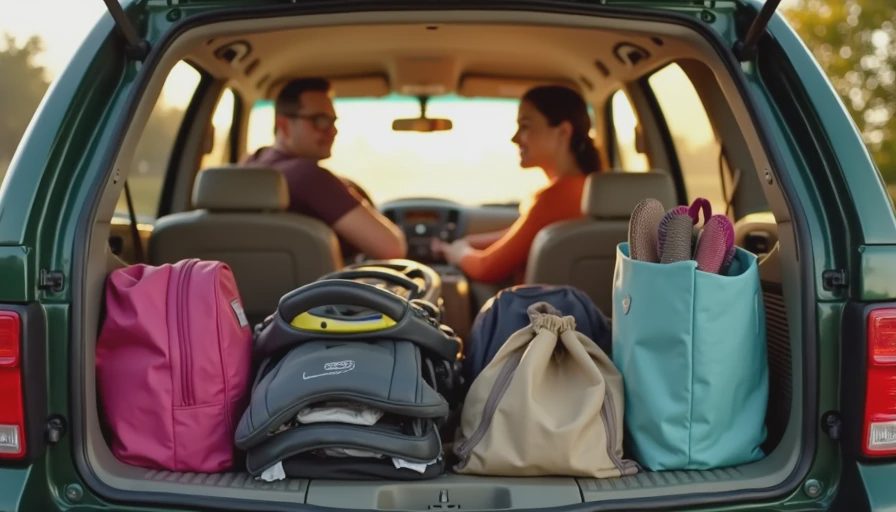
Every used car can hold groceries. Not every used car can hold a week's worth of groceries plus a competitive swim bag, plus a folding stroller, plus backpacks.
When you go for the test drive, bring your heaviest family gear. Throw it in the trunk.
The Trunk Lip Height: Is it low enough to load heavy items without throwing your lower back out?
Fold-Flat Seating: Can you drop the back seats down with one hand while holding a kid with the other?
My daughter Sofia swims competitively, which means our trunk is constantly half-full of damp gear and extra bags. If a sedan’s trunk opening is too narrow or the hinge arms crush your luggage when you close the lid, it fails the family test.
5. Safety and Reliability Over "Cool" Features
When buying used on a family budget, every dollar spent on a flashy panoramic sunroof or a complicated touchscreen infotainment system is a dollar not spent on mechanical reliability or safety updates.
Skip: Navigation systems from 2012 (they're obsolete anyway), complex air-suspension systems that cost $2,000 to fix when they leak, and first-model-year redesigns.
Prioritize: Side-curtain airbags, solid crash-test ratings (check the IIHS archive), and a powertrain with a proven track record of hitting 200,000 miles without drama.
The Printable Family Hauler Checklist (Screenshot This)
Before you pull the trigger on a used SUV, crossover, or minivan, run through this list with your partner and kids:
Car Seat Fit: Did we test-fit our actual car seats in the back row?
Rear Legroom: Can an adult sit comfortably in front of a child safety seat?
Climate Control: Are there dedicated rear AC vents for the back rows?
Cargo Space: Does the trunk fit our daily gear (strollers, sports bags, groceries) without a puzzle?
Interior Durability: Are the seats and door panels easy to wipe down after a spill?
Sliding Doors vs. Standard Doors: (If looking at vans/SUVs) Do rear doors swing wide enough in tight parking lots?
The "Wife/Partner" Sign-Off: Has my spouse driven it, parked it, and signed off on the blind spots?
A family car shouldn't stress you out. It should be a dependable tool that handles the chaos of daily life without breaking down or breaking the bank.
Buy the car, not the story.

