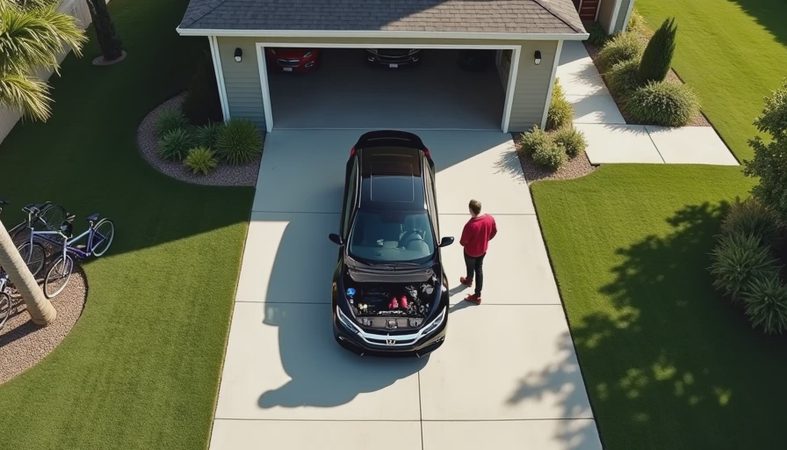
If you are asking, "honda civic how long will it last," you are probably looking at a used one and trying not to turn a $15,000 purchase into a $4,000 repair bill. I understand. I have bought enough used cars to know that the badge on the trunk is only the beginning. A Civic can be a terrific long-term car, but maintenance history, mileage, and the specific generation matter more than a clean-looking engine bay.
My short answer is 200,000 miles is realistic for a well-maintained Honda Civic, and some reach 250,000 miles or more. That does not mean every Civic is a safe bet at 180,000 miles. Buy the car, not the story. A seller saying “Honda reliability” is not a substitute for receipts, a cold start, and an independent inspection.
Honda Civic how long will it last in real-world use?
For a Civic driven 12,000 to 15,000 miles per year, a reasonable ownership window is 12 to 17 years. Older Civics with simple four-cylinder engines can sometimes run beyond that, but age creates problems even when the engine still sounds healthy. Rubber suspension bushings crack, air-conditioning components wear out, door seals shrink, and electrical connectors develop faults.
When people search honda civic how long will it last, they often want one magic mileage number. The better answer depends on three things: whether the oil was changed regularly, whether major services were completed, and how the car was driven. A 2014 Civic with 145,000 highway miles and a thick folder of service records can be a smarter buy than a 2017 with 92,000 neglected city miles.
Expect routine repairs as mileage climbs. Brakes may cost roughly $350 to $800 per axle at an independent shop, depending on parts and location. A battery, tires, wheel bearings, or suspension work can each add several hundred dollars. These are normal used-car expenses, not proof that the Civic is failing.
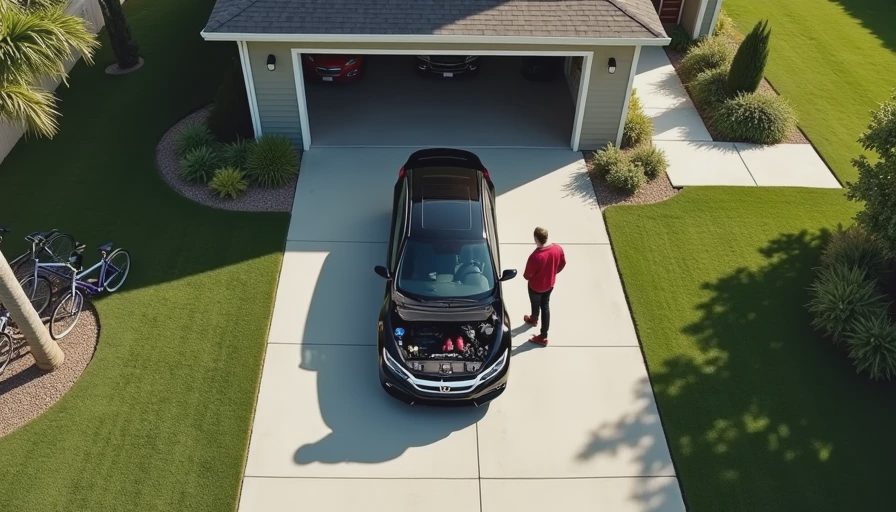
Which Civic model years deserve the closest inspection?
Most Civic generations have strong reputations, but no year is automatically perfect. The 2006–2011 cars are affordable and mechanically straightforward, yet age-related rust, neglected maintenance, and worn automatic transmissions deserve attention. The 2012–2015 models can be good transportation, though buyers should verify that recalls and software updates were handled.
The 2016–2021 Civic brought modern styling, turbocharged engines in some trims, and more driver-assistance equipment. Those features are useful, but they also create more expensive troubleshooting when something breaks. A turbo model needs consistent oil changes and should not be treated like a disposable commuter. The naturally aspirated 2.0-liter engine is often the simpler choice for a budget-minded buyer.
A 2022 or newer Civic might have fewer miles, but it is not automatically a better value. You are paying more upfront, and modern safety sensors can make windshield or bumper repairs costlier. Compare the purchase price, insurance quote, remaining warranty, and likely maintenance rather than assuming newer always wins.
What maintenance keeps a Civic on the road?
Oil changes are the foundation. Follow the maintenance minder, use the correct oil specification, and do not stretch service intervals because the engine still sounds quiet. Check fluid levels, tire pressure, and warning lights every month. A five-minute inspection can catch a low coolant level or uneven tire wear before it becomes a roadside problem.
Transmission service matters too. Automatic and continuously variable transmissions use specific fluids, and the wrong fluid can create expensive trouble. Ask for documentation rather than accepting “it was serviced.” On higher-mileage examples, inspect the coolant, brake fluid, spark plugs, belts, hoses, and engine mounts. Maintenance is not exciting, but spending $600 on scheduled work is better than waiting for a $2,500 failure.
If you are still asking honda civic how long will it last after buying one, the answer will largely be determined by what you do during the next 50,000 miles. Keep a simple spreadsheet with the date, mileage, parts, and cost. That record helps you avoid duplicate work and supports resale value later.
The inspection mistakes that cost used-car buyers money
Start the test drive with the engine completely cold. A warm engine can hide hard starting, smoke, or a rough idle. Ask the seller not to start it before you arrive. Turn the key and listen for rattles, grinding, or a long crank. The engine should settle into a steady idle without a check-engine light.
Drive through a parking lot with the windows down. Listen for clicking during turns, clunks over bumps, and humming that changes with speed. Brake firmly on an empty road and notice whether the pedal pulses or the car pulls. Test the air conditioner, heat, windows, locks, backup camera, and every warning-light function. Small electrical faults can become bargaining points, but safety problems should make you walk away.
Look underneath for fresh oil or coolant. A clean engine can mean careful ownership, or it can mean someone just pressure-washed the evidence. Check the tires for uneven wear and compare the tread across all four corners. Mismatched tires can indicate budget repairs, alignment problems, or neglected rotations.
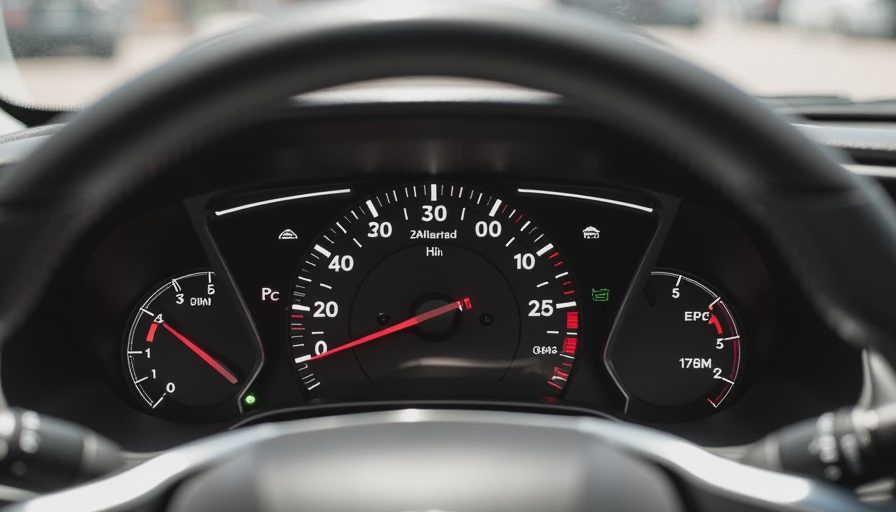
How much mileage is too much for a Civic?
There is no universal cutoff. Under 100,000 miles usually gives you more breathing room, but condition still wins. Between 100,000 and 150,000 miles, I want service records, a clean inspection, and enough money left over for immediate maintenance. Above 150,000 miles, the purchase price needs to leave room for suspension, cooling-system, air-conditioning, and sensor repairs.
Suppose two cars are listed at $12,000. One is a 2015 Civic with 118,000 miles, two owners, recent tires, and receipts. The other is a 2017 model with 96,000 miles, worn tires, no records, and a seller who will not allow an inspection. I would seriously consider the older, documented car. The lower-odometer car is not a bargain if it needs $2,000 before you can trust it.
Searches for honda civic how long will it last often focus on mileage because mileage is easy to compare. Service quality is harder to measure, but it tells you far more. Pay for a pre-purchase inspection from a shop you choose. Spending $150 to $250 can reveal leaks, accident repairs, damaged suspension, or a transmission problem before you sign anything.
My used-Civic buying checklist
Before making an offer, get the vehicle identification number and review its history for title problems, reported crashes, odometer inconsistencies, and maintenance entries. A history report is useful, but it cannot see every accident or confirm every repair. Match the report against the seller’s paperwork.
Next, price insurance before buying. A newer Civic, a turbo trim, or a model with comprehensive and collision coverage can cost more to insure than an older base sedan. Get quotes using the exact year, trim, ZIP code, and driver information. That monthly figure belongs in your purchase budget alongside fuel and maintenance.
Then inspect the car cold, drive it for at least 20 minutes, scan for diagnostic codes, and take it to an independent mechanic. Do not let a seller rush those steps. If the seller refuses an inspection, the answer is already clear.
For a screenshot at the lot: cold start, warning lights, fluids, tires, brakes, steering, transmission behavior, air conditioning, service records, VIN history, title status, and independent inspection. When the answer to honda civic how long will it last matters to your family budget, these checks matter more than a polished listing.
A Civic can be an excellent long-haul purchase, but it is not indestructible. Budget for maintenance, choose documented history over a shiny story, and keep cash available after closing. If the car passes a cold-start test and a professional inspection, 200,000 miles is a reasonable goal. If it fails those basics, walk away no matter how low the price looks.


