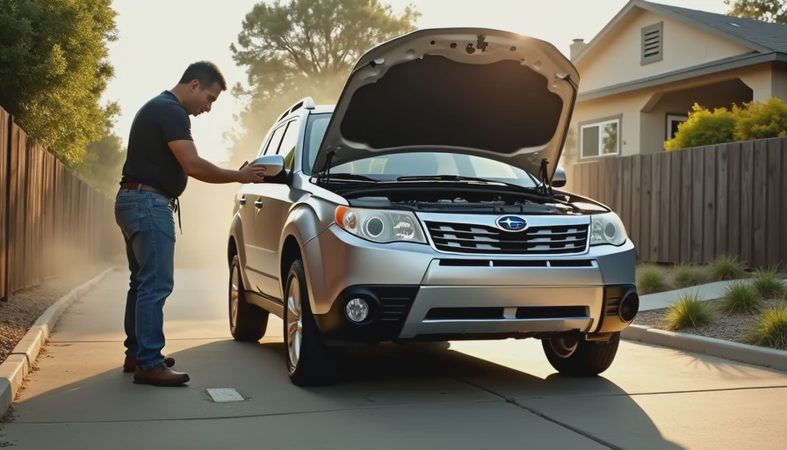
I should have known better.
I’ve bought 18 used cars in 20 years, inspected plenty more, and learned to be suspicious of anything that looks too easy. But last fall, I paid $4,300 for a 2009 Subaru Forester XT with 143,000 miles.
Seven miles into the drive home, the temperature gauge started climbing.
The car had a blown head gasket—a failed seal inside the engine that can let coolant and oil mix, cause overheating, and lead to a repair bill worth thousands.
The warning signs were there. I just didn’t slow down long enough to see them.
The Car Looked Like a Good Deal
The seller said the Forester was his daily driver and that he needed a truck for work. The interior was clean, the tires matched, and there were no warning lights on the dashboard.
The oil looked normal. The coolant reservoir was full. During my 15-minute test drive, the engine ran smoothly and the temperature gauge stayed right in the middle.Then the engine began overheating.
By the time I reached home, I could smell something sweet from the exhaust. Under the oil cap was a thin layer of milky brown residue—a possible sign that coolant had mixed with the oil.
The repair cost me $2,200.
Mistake #1: I Never Saw a Cold Start
The car was already running when I arrived.
The seller said he was “warming it up” for me. At the time, I took that as a courtesy. Now I treat a pre-warmed engine as a warning.
Some head-gasket problems are most noticeable during a cold start. The engine may run roughly for a few seconds, or white smoke may appear from the exhaust as leaked coolant burns away. Those symptoms can disappear once the engine warms up.
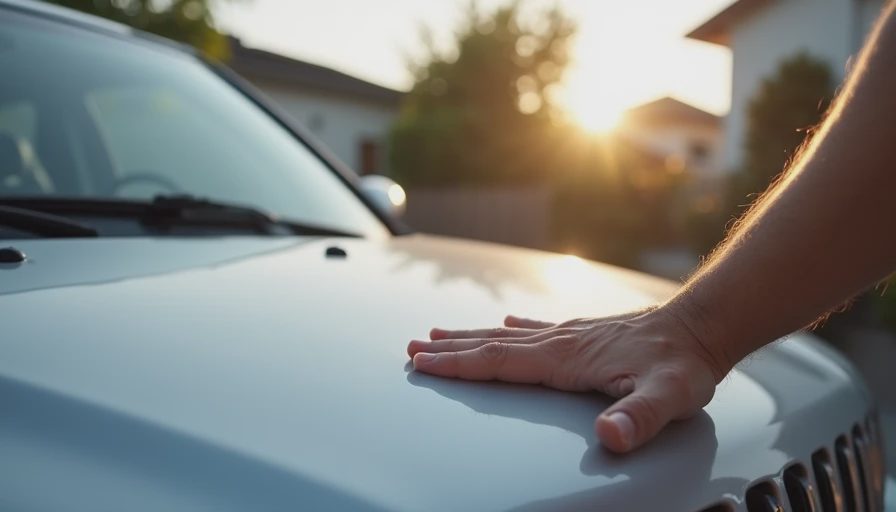
I should have touched the hood before starting the inspection. If it was warm, I should have returned another day.
Ray’s rule: Ask the seller not to start the car before you arrive.
Mistake #2: I Checked the Oil Too Quickly
I pulled the dipstick, saw dark but normal-looking oil, and moved on.
What I didn’t inspect carefully was the underside of the oil cap. After the car overheated, I found milky residue around its edge.
That residue can appear when coolant mixes with engine oil. A small amount of pale buildup can also come from condensation—especially in cars used for short trips—but it should never be ignored.
I should have checked the dipstick and the oil cap, then asked a mechanic to investigate anything suspicious.
Mistake #3: I Trusted the Coolant Level
The coolant reservoir was filled to the correct line, so I assumed the cooling system was healthy.
But a reservoir can be topped off five minutes before a buyer arrives. A full tank tells you very little unless you know whether the car has been losing coolant.
After the test drive, I should have looked for:
A lower coolant level
Continuous bubbles in the reservoir
A sweet smell around the engine or exhaust
Fresh coolant stains around hoses and the engine
Continuous bubbling can mean combustion gases are entering the cooling system, although a mechanic should confirm the cause.
Never remove a radiator cap from a hot engine. Pressurized coolant can cause severe burns.
Mistake #4: My Test Drive Was Too Short
I had already spent a long day at a construction site, and I wanted to get home. Instead of following my normal routine, I took an easy 15-minute drive around the neighborhood and briefly joined the freeway.
That wasn’t enough to expose the problem.
Some cooling-system failures only appear after the engine is fully warm and working harder. A proper test drive should include city traffic, steady cruising, and a moderate uphill section. The temperature gauge should remain stable the entire time.
Most importantly, the car should be inspected again after the drive—not just before it.
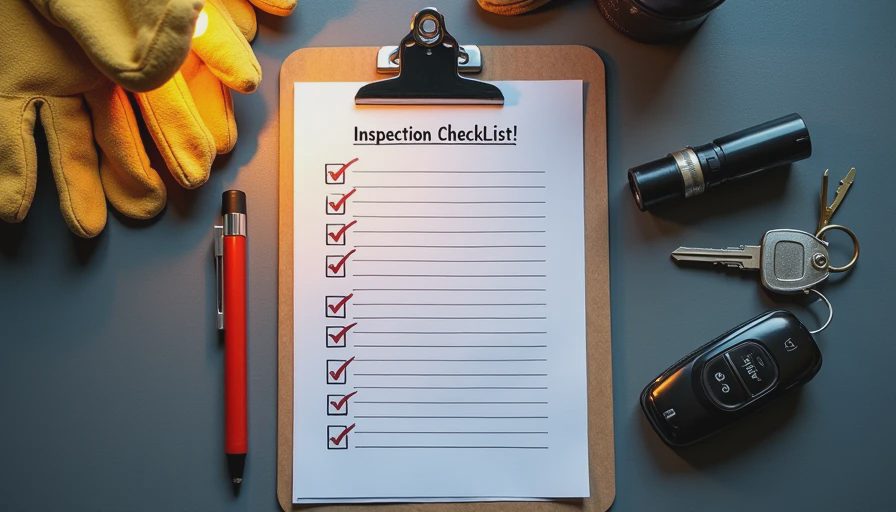
Being tired made me careless. Carelessness cost me $2,200. The Checklist I Use Now Screenshot this before your next used-car inspection: Before the test drive - Ask for a completely cold engine. - Touch the hood to confirm it hasn’t been running. - Watch the exhaust immediately after startup. - Check the oil dipstick and underside of the oil cap. - Check the coolant level only when the engine is cold. - Look for coolant stains, wet hoses, or recent cleanup. During the test drive - Wait for the engine to reach normal temperature. - Include stop-and-go traffic and steady cruising. - Drive up a moderate hill if possible. - Watch for a rising or fluctuating temperature gauge. - Notice sweet smells, rough running, or loss of cabin heat. After the test drive - Let the engine idle and inspect for leaks. - Recheck the coolant reservoir visually. - Look for continuous bubbling. - Check the oil cap again. - Arrange a professional pre-purchase inspection. A mechanic can perform a cooling-system pressure test or check the coolant for combustion gases. That inspection might cost $150 to $250, but it can save you thousands.
What the Mistake Cost Me
The Forester didn’t fool me because it had no warning signs. It fooled me because I accepted a warm engine, trusted a freshly filled reservoir, and cut the test drive short.
If a seller won’t let you inspect the car cold or take it on a proper test drive, leave. There will always be another car.
There may not be another $2,200 in your repair budget.
Buy the car, not the storys


