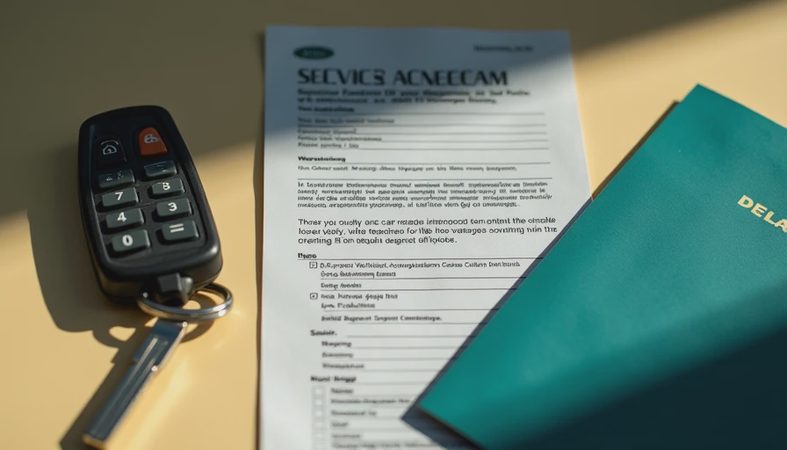
The short answer is sometimes, but the sales pitch is usually cleaner than the contract. If you are asking are automobile extended warranties worth it, you are probably sitting at a dealership with a used-car payment, a family budget, and someone explaining that one breakdown could ruin everything. I have been in that chair. The warranty can help, but only when the vehicle, contract, price, and repair risk line up.
I have bought 18 used cars over two decades, including one 2003 Dodge Intrepid that taught me the expensive way to distrust a clean Carfax report. A service contract would not have made that purchase smart. The first question is not whether a warranty sounds reassuring. It is whether you are buying protection for a likely problem or paying hundreds of dollars for exclusions and paperwork.
What an extended warranty actually covers
An extended warranty is usually a vehicle service contract, not a continuation of the factory warranty. It may cover listed components after the original coverage ends, such as the engine, transmission, transfer case, electrical system, air conditioning, or fuel system. The exact contract controls everything. A salesperson's sentence that says “bumper to bumper” does not replace the exclusion list.
Most plans come with a deductible, often between $100 and $250 per covered repair visit. Some use a disappearing deductible at certain repair facilities, while others charge the deductible each time the car enters the shop. Contracts can also require maintenance records, prior authorization, factory parts, or repairs at approved facilities. Skip that phone call before authorizing work and a claim can be denied.
Wear items are commonly excluded. Expect tires, brake pads, rotors, batteries, belts, hoses, fluids, upholstery, glass, and routine maintenance to fall outside coverage. Some plans exclude seals, gaskets, sensors, software, diagnostic time, or damage caused by overheating. Those details matter because a modern vehicle can have a costly failure that still does not fit the contract's definition of a covered component.
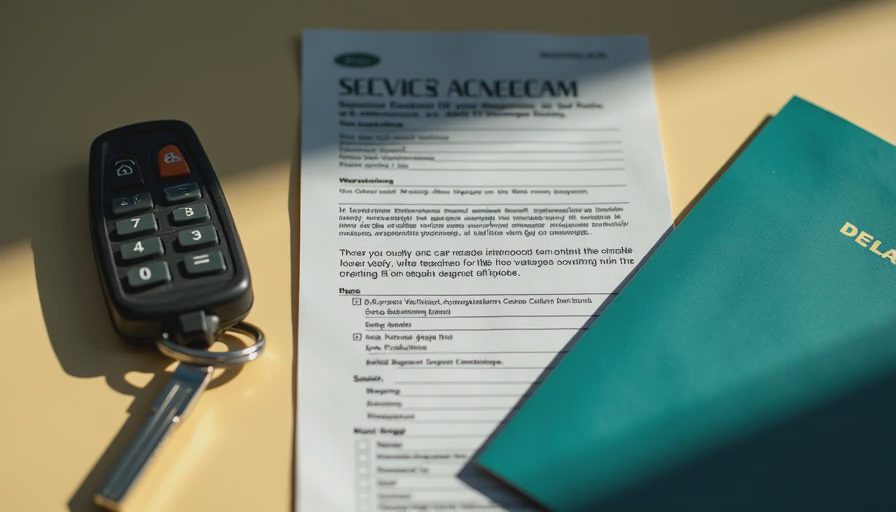
When the math can work in your favor
Are automobile extended warranties worth it when a repair could cost several thousand dollars? Sometimes. A used luxury SUV, turbocharged engine, diesel pickup, or vehicle with complicated electronics carries more repair exposure than a basic compact sedan. Replacing a transmission can run roughly $3,000 to $7,000, while a turbocharger, hybrid battery, or advanced infotainment module can create a bill in the $1,500 to $5,000 range.
Suppose you buy a six-year-old luxury crossover for $19,000 and the contract costs $2,200 with a $100 deductible. One covered $5,000 repair could make that purchase look sensible. But the vehicle still needs oil changes, tires, brakes, and other excluded work. If the contract pays only for a narrow list of parts, your imagined $5,000 protection may shrink quickly.
The math is weaker on a well-maintained Toyota Corolla or Honda Civic with 80,000 miles, especially if the plan costs $2,500. Those cars can still break, but predictable maintenance is often cheaper than a large contract premium. Put the money in a repair fund instead. Even $200 per month for a year creates $2,400 that remains yours if the car behaves.
The contract price is negotiable
Many buyers never ask are automobile extended warranties worth it until after the finance manager has added one to the monthly payment. That is backwards. Negotiate the vehicle price first, then discuss financing, then evaluate the service contract as a separate purchase. A warranty hidden inside a $47 monthly payment can quietly cost more than $2,500 over 60 months, before finance charges.
Ask for the cash price, the administrator's name, the deductible, the cancellation terms, and a complete sample contract. Dealer-sold plans can sometimes be marked up substantially, so a quoted $3,000 price is not automatically final. Some dealers will reduce the cost when you ask directly; others will remove it without changing the vehicle deal.
Do not confuse an extended warranty with insurance. Auto insurance generally handles covered losses such as collisions, theft, weather, and liability claims. A service contract addresses mechanical or electrical failures listed in its terms. Neither product guarantees that every expensive event is covered.
Red flags that should make you walk away
Be cautious when a salesperson says the price is available only today, refuses to show exclusions, or claims the contract covers everything without qualification. A legitimate service contract should identify the provider, start and end mileage, coverage level, deductible, cancellation process, and claims procedure. Read how preexisting conditions are handled. A problem present before coverage begins is commonly excluded.
Ask whether the plan pays labor rates in your area. A contract may limit reimbursement to an hourly rate below what a reputable shop charges, leaving you with the difference. Also ask whether towing, rental-car reimbursement, diagnostic fees, seals, gaskets, and consequential damage are included. “Covered engine” can still mean a denied claim if a failed oil cooler caused the engine damage.
If the seller says you cannot finance the car without buying the warranty, stop the conversation. The lender usually cares about the loan and collateral, not whether you purchase a service contract. Take the paperwork home when possible. Pressure is not protection.

A practical way to decide before signing
Are automobile extended warranties worth it for your specific car? Start with an independent inspection, not the warranty brochure. Pay a trusted mechanic $150 to $250 to inspect the vehicle, scan for trouble codes, check fluid leaks, review maintenance evidence, and identify upcoming work. A warranty does not turn a neglected car into a good buy.
Next, research common repairs for that exact year, engine, transmission, and trim. Owner forums can reveal patterns, but treat dramatic stories as clues rather than proof. Get two repair estimates for the most expensive plausible failures in your area. Then compare those amounts with the contract's price, deductible, exclusions, claim limits, and remaining factory coverage.
Finally, decide whether an unexpected $3,000 bill would force you into credit-card debt or make you miss a mortgage payment. If yes, a broad, reputable plan at a negotiated price can buy useful breathing room. If you have cash reserves and the vehicle has strong reliability history, self-insuring may be the cleaner choice.
My bottom line for used-car buyers
Are automobile extended warranties worth it? They are worth considering for a complicated, expensive-to-repair vehicle when the contract is written clearly, the administrator has a solid claims process, and the price is reasonable. They are usually a poor deal when attached automatically, sold under pressure, or marketed as universal coverage.
Before leaving the lot, screenshot this checklist: get the full contract; confirm covered parts and exclusions; write down the deductible; verify repair authorization rules; ask about labor rates and rental coverage; compare the cash price with the financed total; and get an independent inspection. If the seller will not answer those questions, keep your money and keep shopping.
I have learned this after enough bad purchases to fill a notebook: buy the car, not the story. A warranty is only one tool. The better protection is choosing a sound vehicle, keeping an emergency repair fund, and refusing to let a monthly-payment conversation hide the real price.


