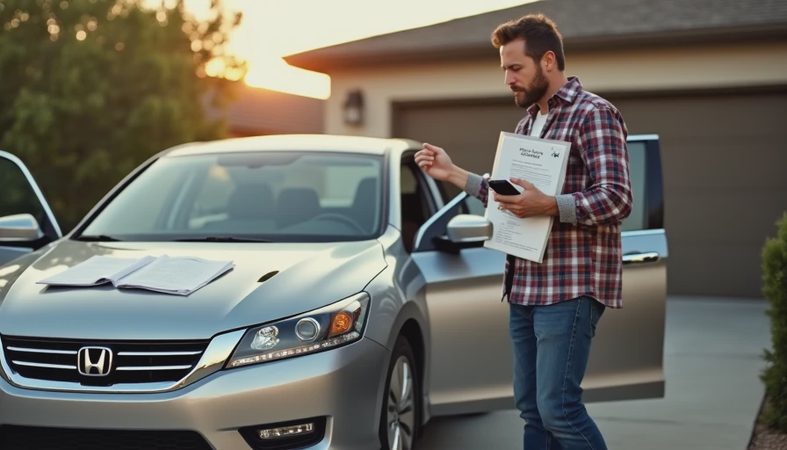
I came this close to handing over $8,000 for a car that wasn’t what the paperwork claimed.
It was a 2014 Honda Accord EX-L, silver, 92,000 miles, listed by a private seller for $8,200. Clean Carfax. Clean California title. The seller seemed normal, service records in a folder, car drove fine. I was ready to buy.
Then I ran one extra check I almost skipped.
A second history report and a quick DMV title verification showed the car had previously carried a salvage title in another state after a flood. That brand had somehow disappeared. The California title looked clean. The history had been washed.
I walked away. The seller never admitted a thing. I still have the screenshots.
Title washing is real. If you buy used cars long enough, you’ll eventually run into it.
What Title Washing Means
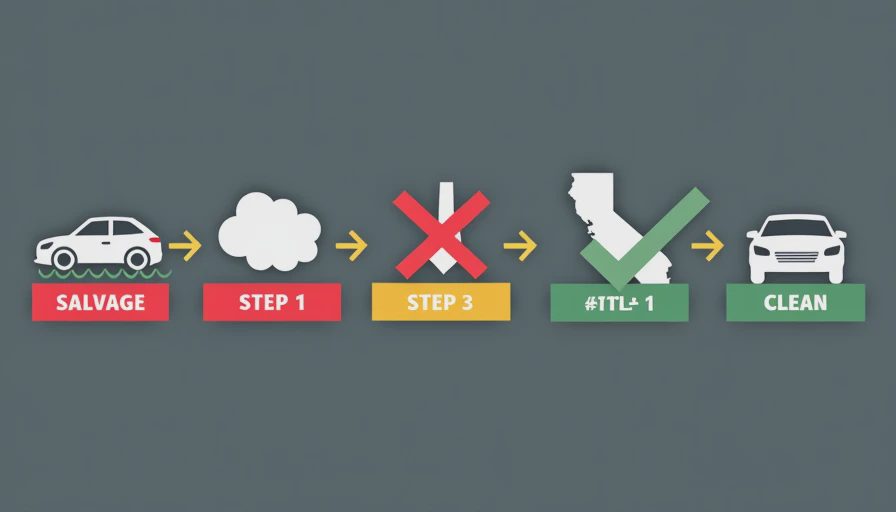
A car gets wrecked, flooded, or totaled. The insurance company brands the title “salvage” or “rebuilt.” That brand is supposed to follow the car forever.
Title washing happens when someone moves the car to a state with weaker rules. They apply for a new title, and the salvage brand doesn’t transfer. The new title comes back clean. The car now looks normal on paper and sells for thousands more.
Flood cars, rebuilt wrecks, and total-loss vehicles get washed this way all the time.
Why It Matters
A washed title doesn’t just mean you overpaid. It can mean:
Hidden structural or water damage that shows up later
Insurance problems once the real history surfaces
A sharp drop in resale value
Trouble registering the car in some states
I almost paid $8,000 for a car that was probably worth closer to $4,500–$5,500 once the flood history was known.
How I Almost Got Caught
The first Carfax looked clean. That’s how people get burned—one report can miss older brands if the data didn’t transfer between states.
What protected me:
I ran more than one history report. The second one showed the previous salvage brand.
I verified the title status directly with the DMV.
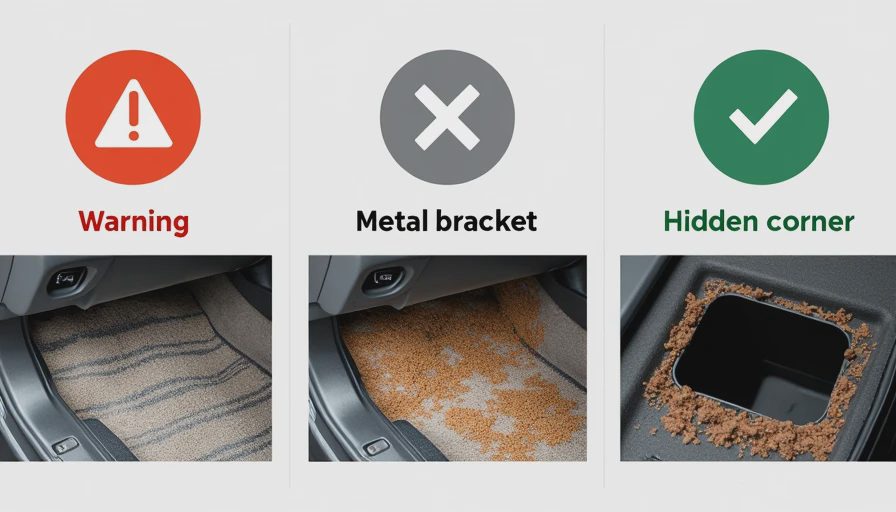
I looked for physical clues that didn’t match the clean story—slightly uneven carpet edges, a faint musty smell when the A/C had been off, and corrosion that looked more like water than normal wear.
I asked the seller straight out: “Has this car ever been in a flood or declared a total loss?” His vague answer raised more questions.
Red Flags Worth Slowing Down For
Recent title from a different state
Price noticeably lower than similar clean-title cars
Service records with a suspicious gap
Seller pushing hard for a same-day cash deal
Different history reports showing conflicting title brands
Signs of water lines, mud in odd places, or replaced carpet that doesn’t match the car’s age
Any one of these is a reason to dig deeper. Several together means walk or negotiate hard.
What You Should Do Before You Pay
Run at least two different vehicle history reports
Verify the current title status with the DMV
Check the VIN on the free NICB VINCheck tool
Ask the seller directly about salvage, rebuilt, or flood history—and get it in writing if possible
If anything feels off, pay for a pre-purchase inspection and specifically ask about flood or structural repairs
Printable Title & History Checklist
Two different vehicle history reports pulled
Current title status verified with DMV
NICB VINCheck completed
Seller asked about salvage / flood / rebuilt history
Physical check for water lines, unusual corrosion, replaced carpets
Price compared to similar clean-title cars
Any recent out-of-state title transfer researched
Pre-purchase inspection ordered if red flags appear
If more than one or two boxes give you pause, slow down or walk. There will always be another car.
I’ve bought 18 used cars. The ones that almost cost me the most taught me the same lesson: the paperwork can lie just as easily as a seller. The difference is the paperwork leaves a trail if you know where to look.
Buy the car, not the story


